ja@webdbmf.org

Du Bois Museum Foundation Marks 63rd Anniversary, Launches Countdown to Bungalow Rededication
Accra, Ghana — Thursday, August 27, 2026
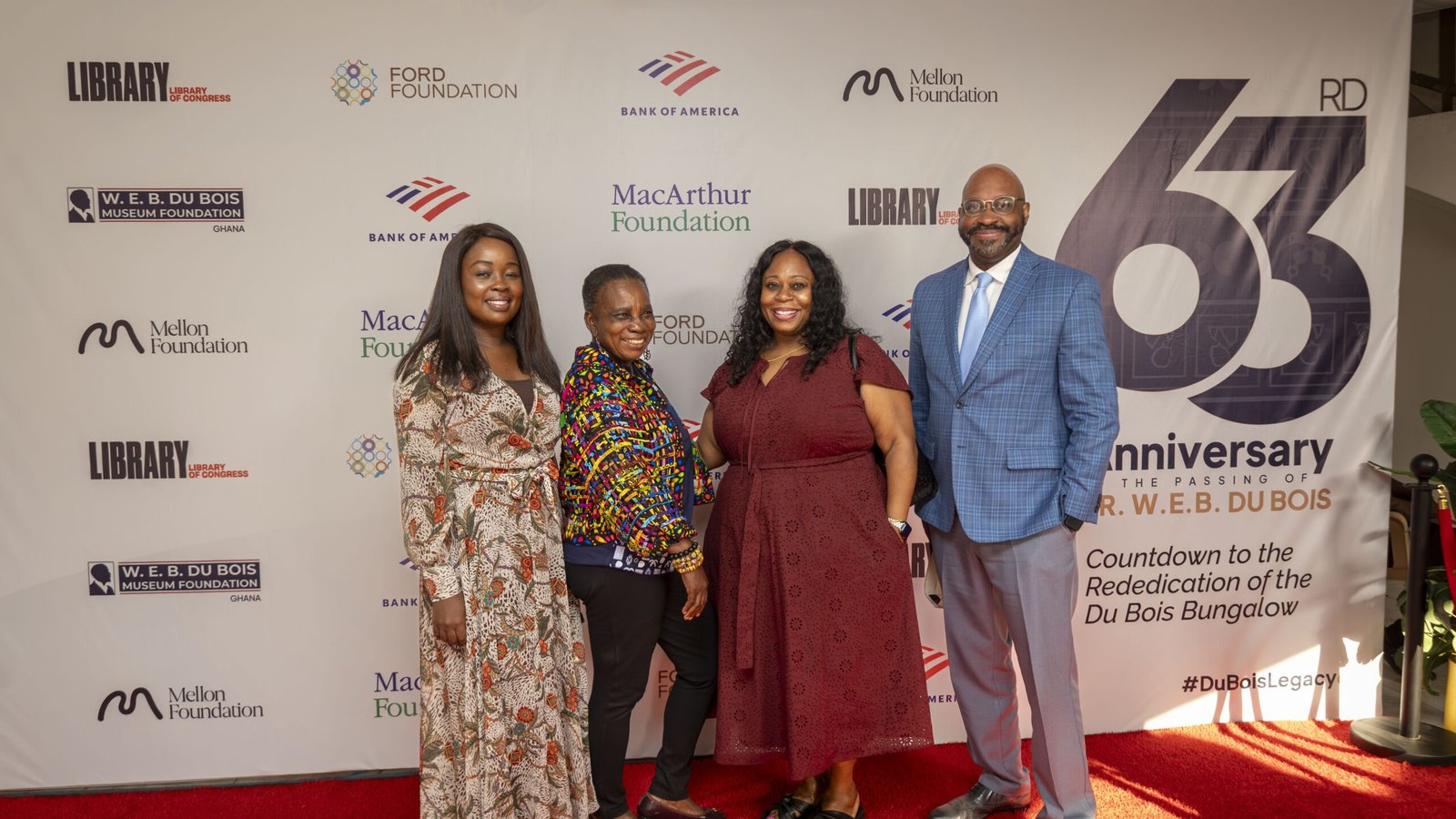
The W.E.B. Du Bois Museum Foundation on Thursday commemorated the 63rd anniversary of the passing of Dr. W.E.B. Du Bois and launched a 365-day countdown to the rededication of his historic bungalow in Accra.
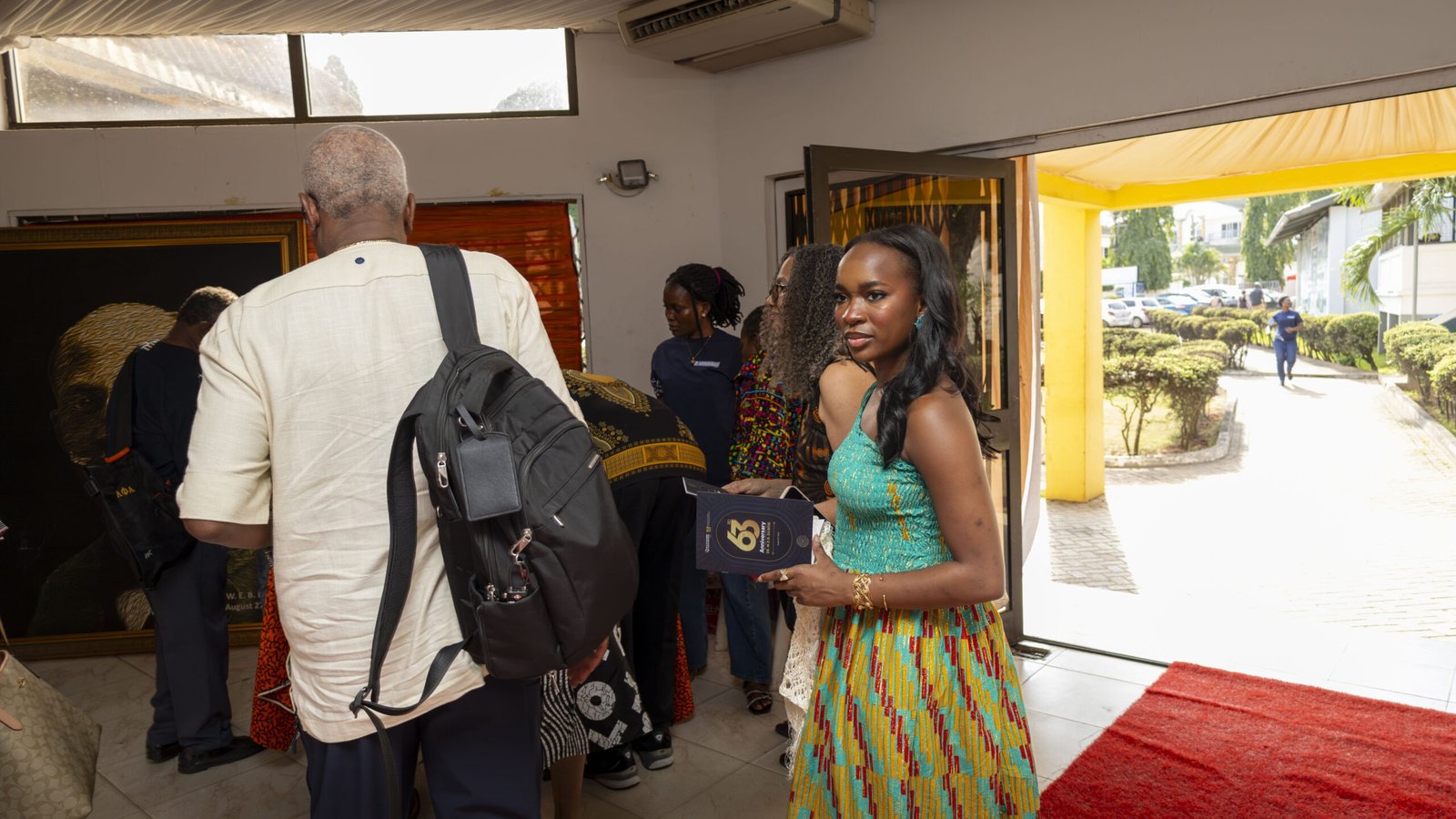
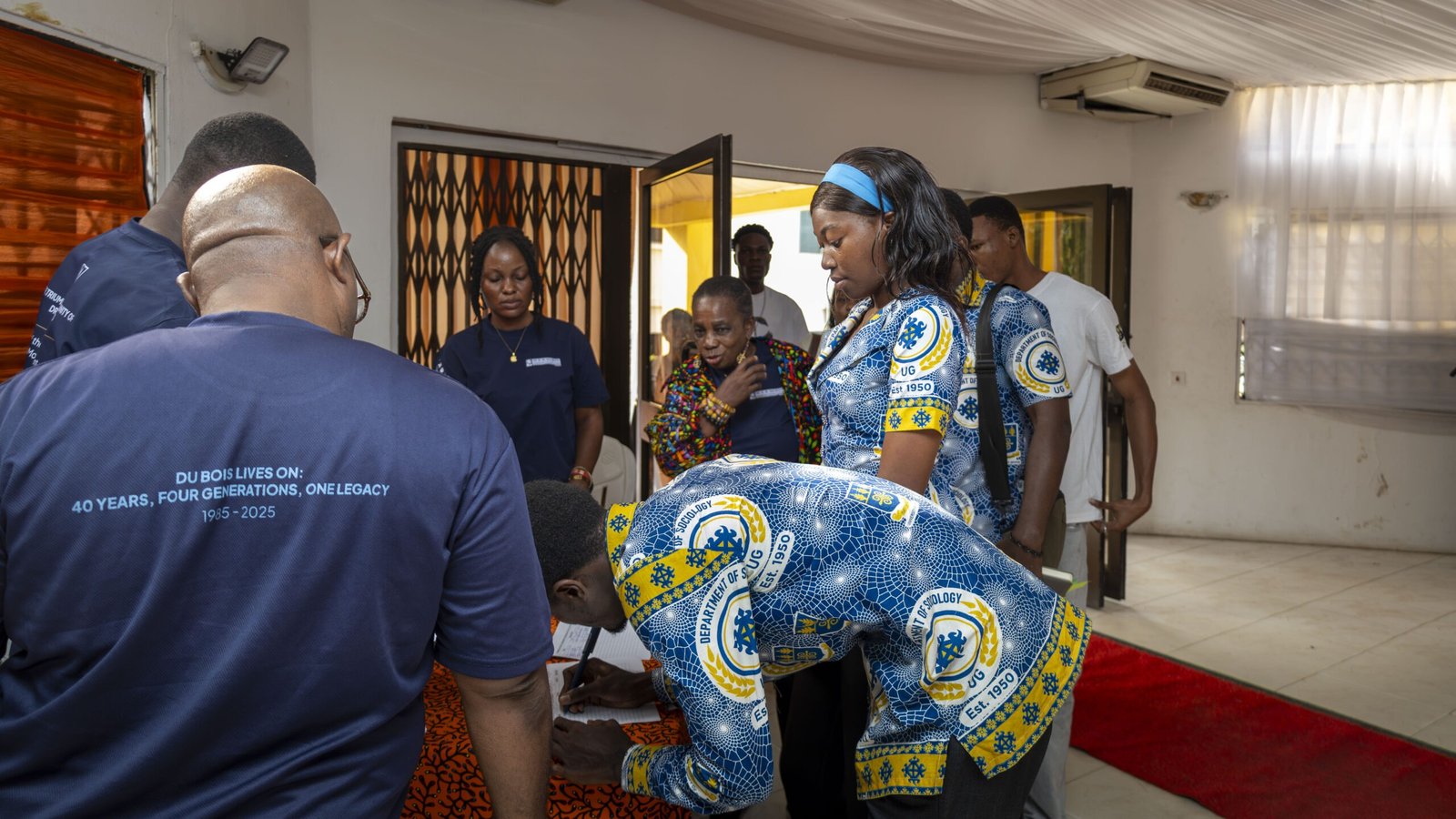
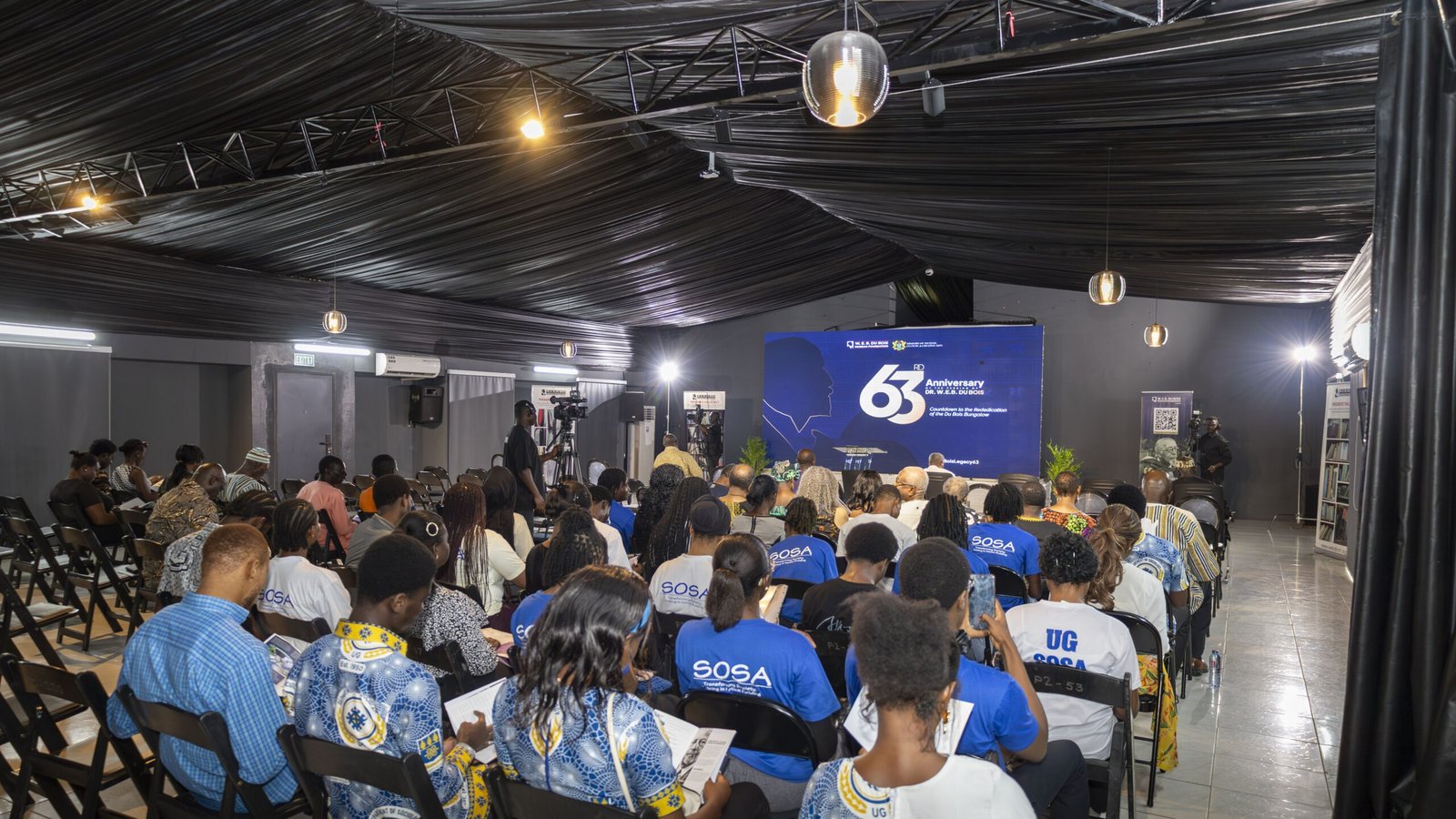
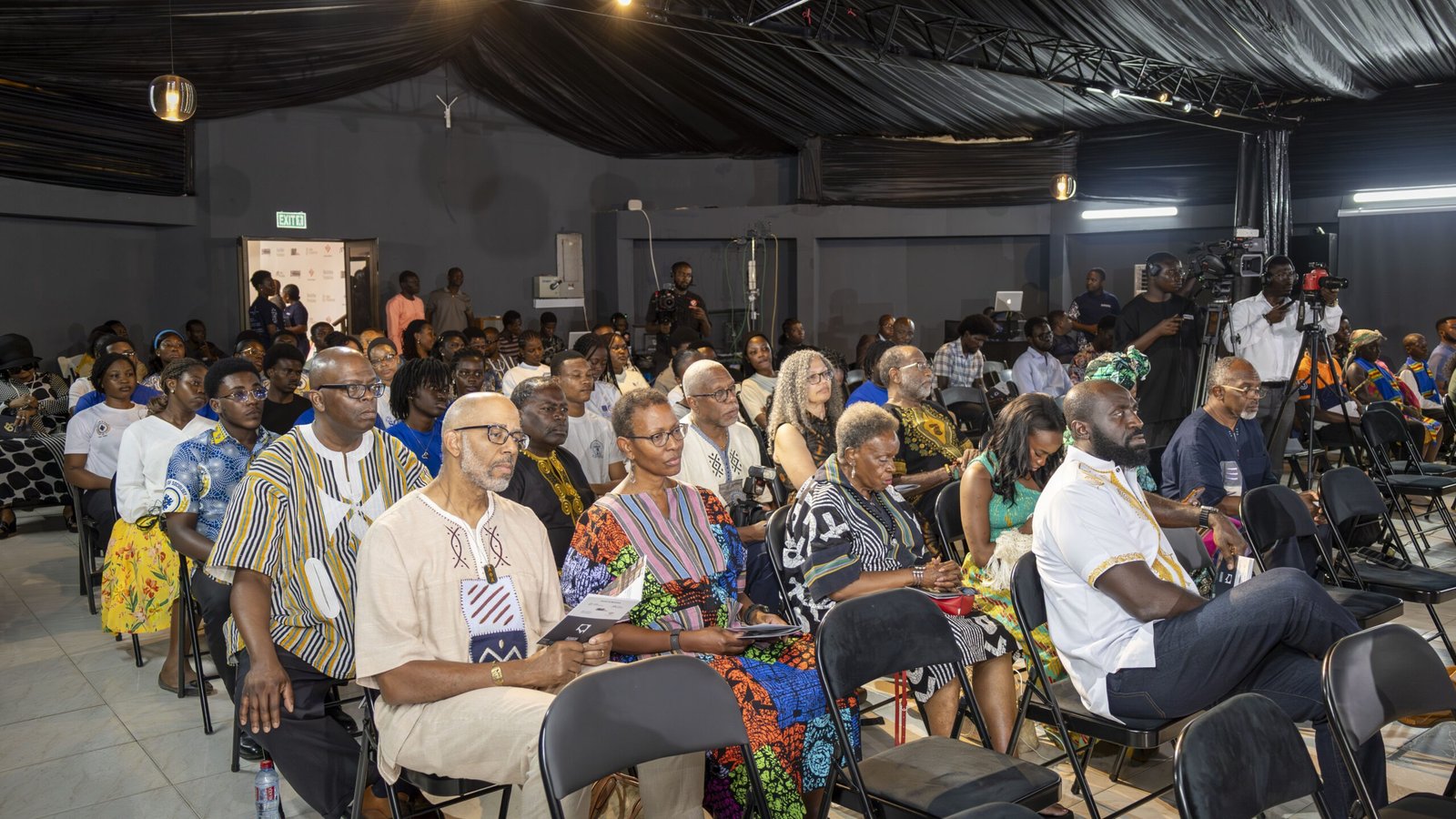
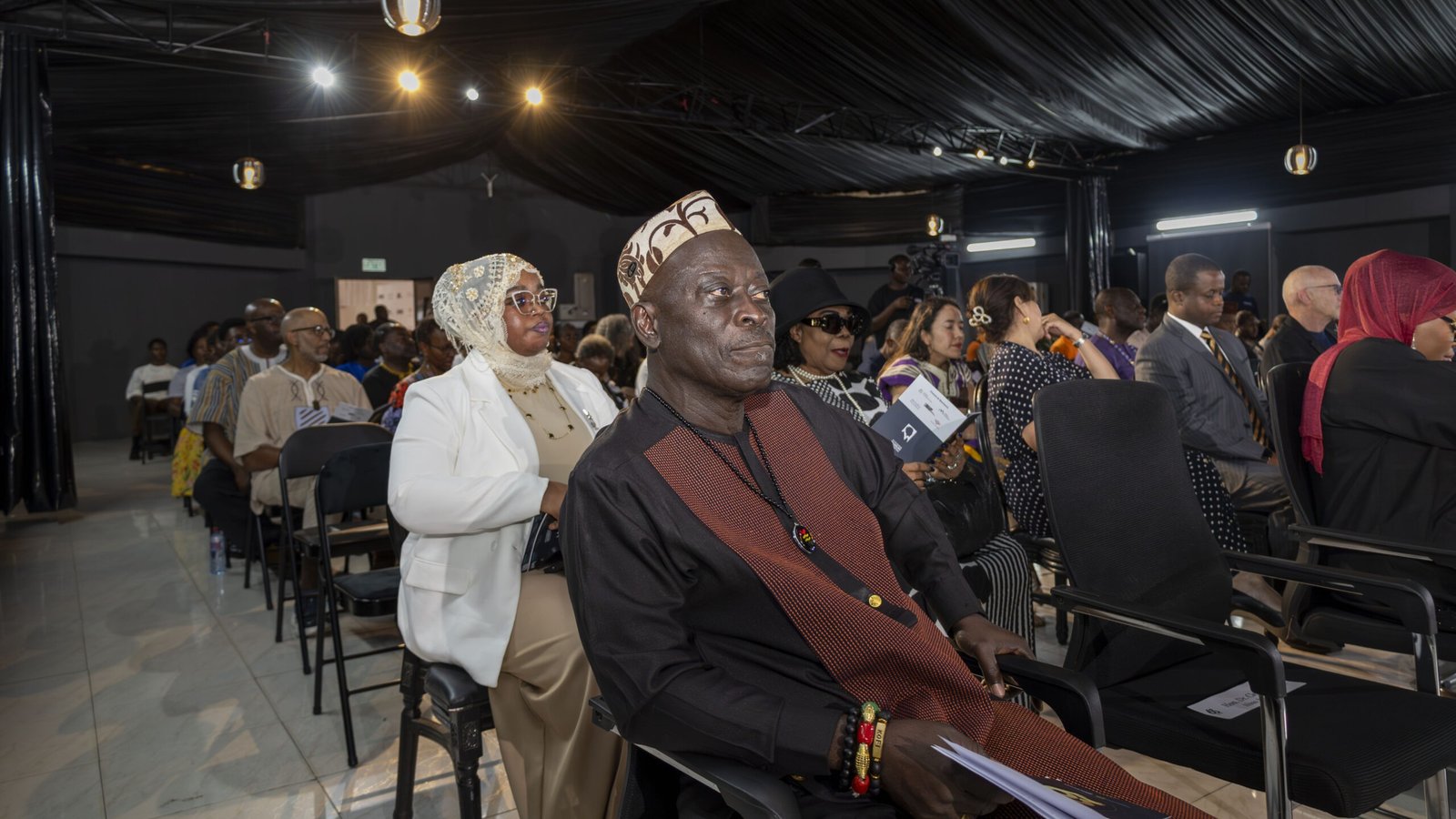
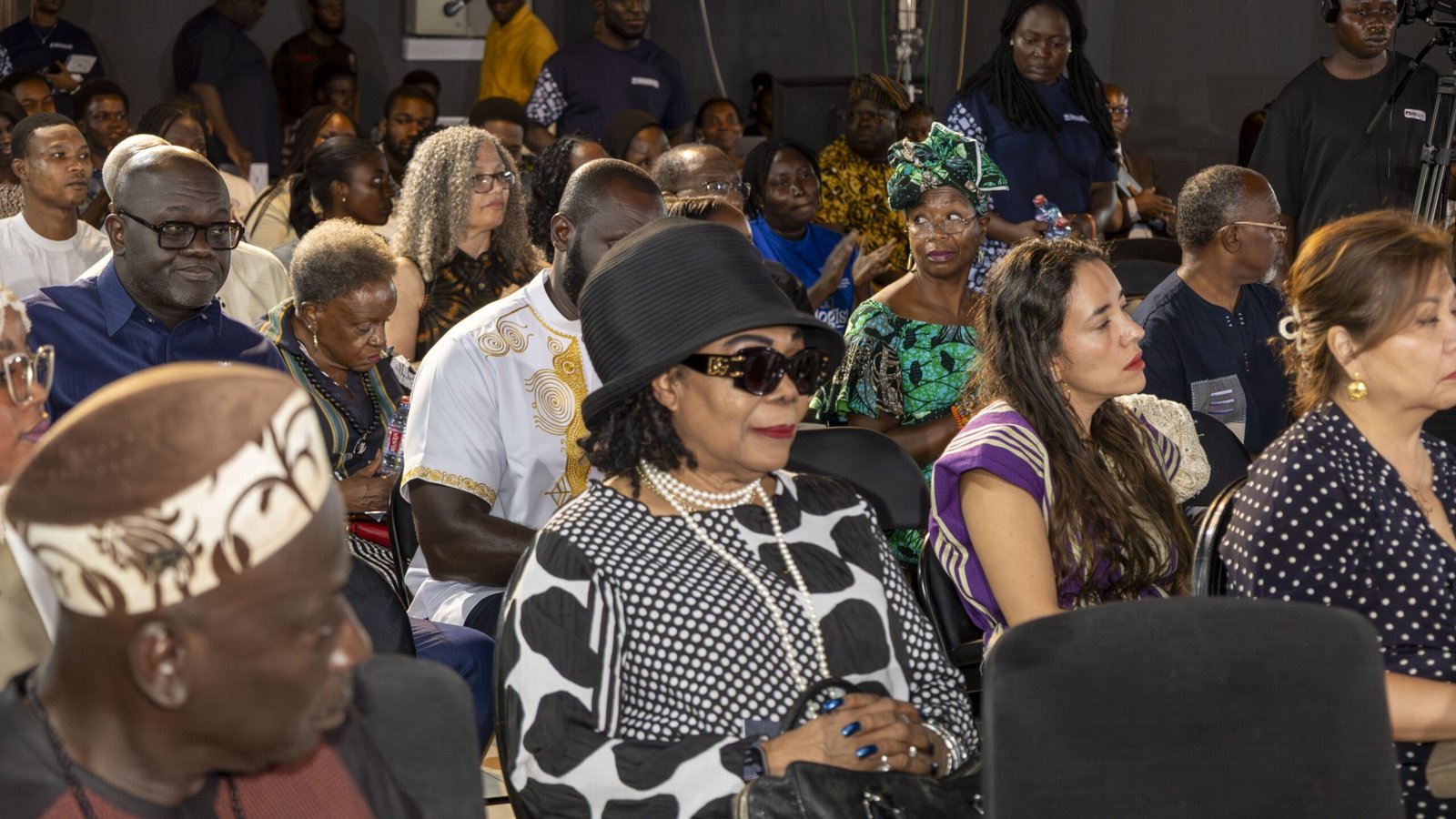
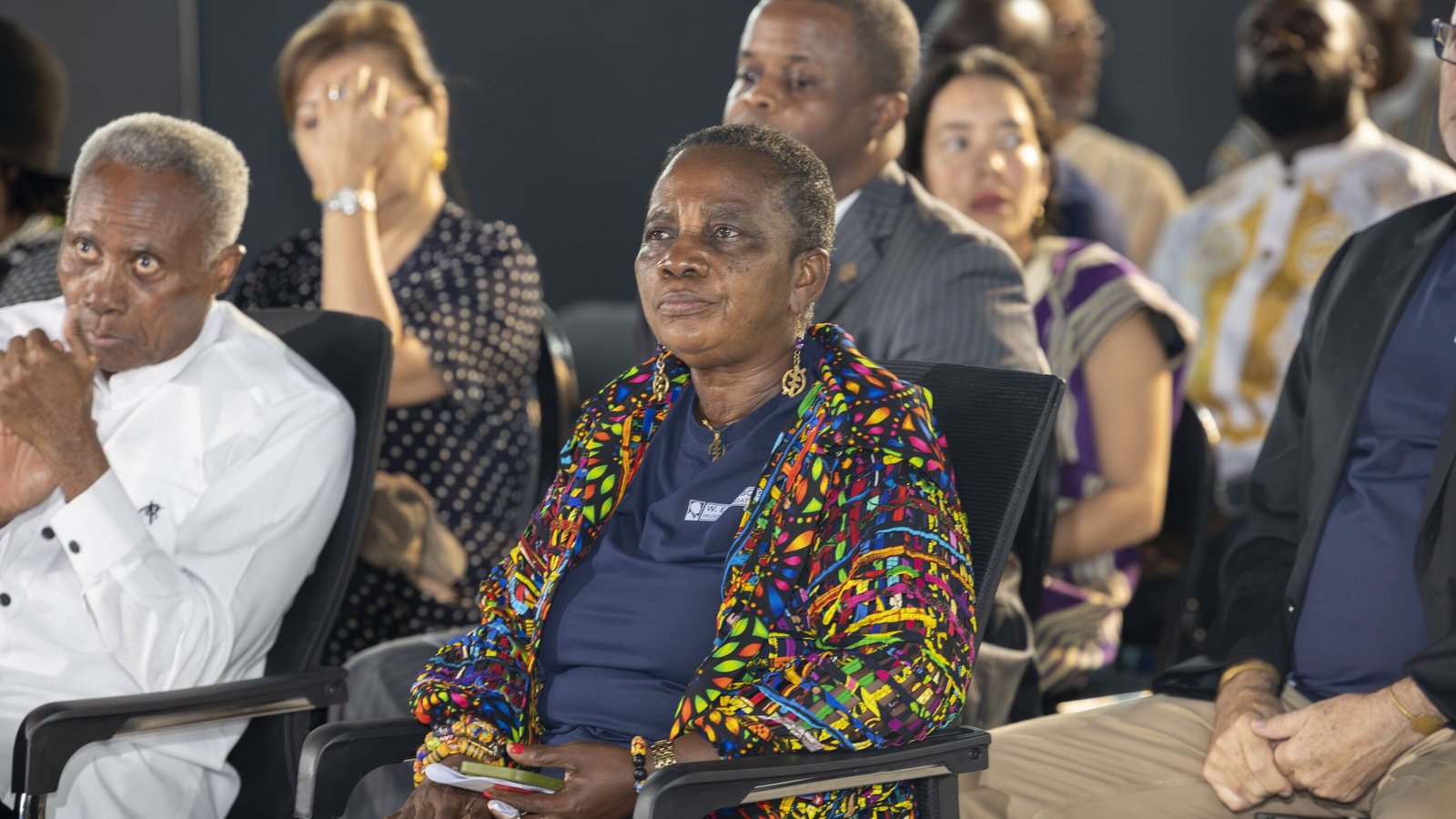
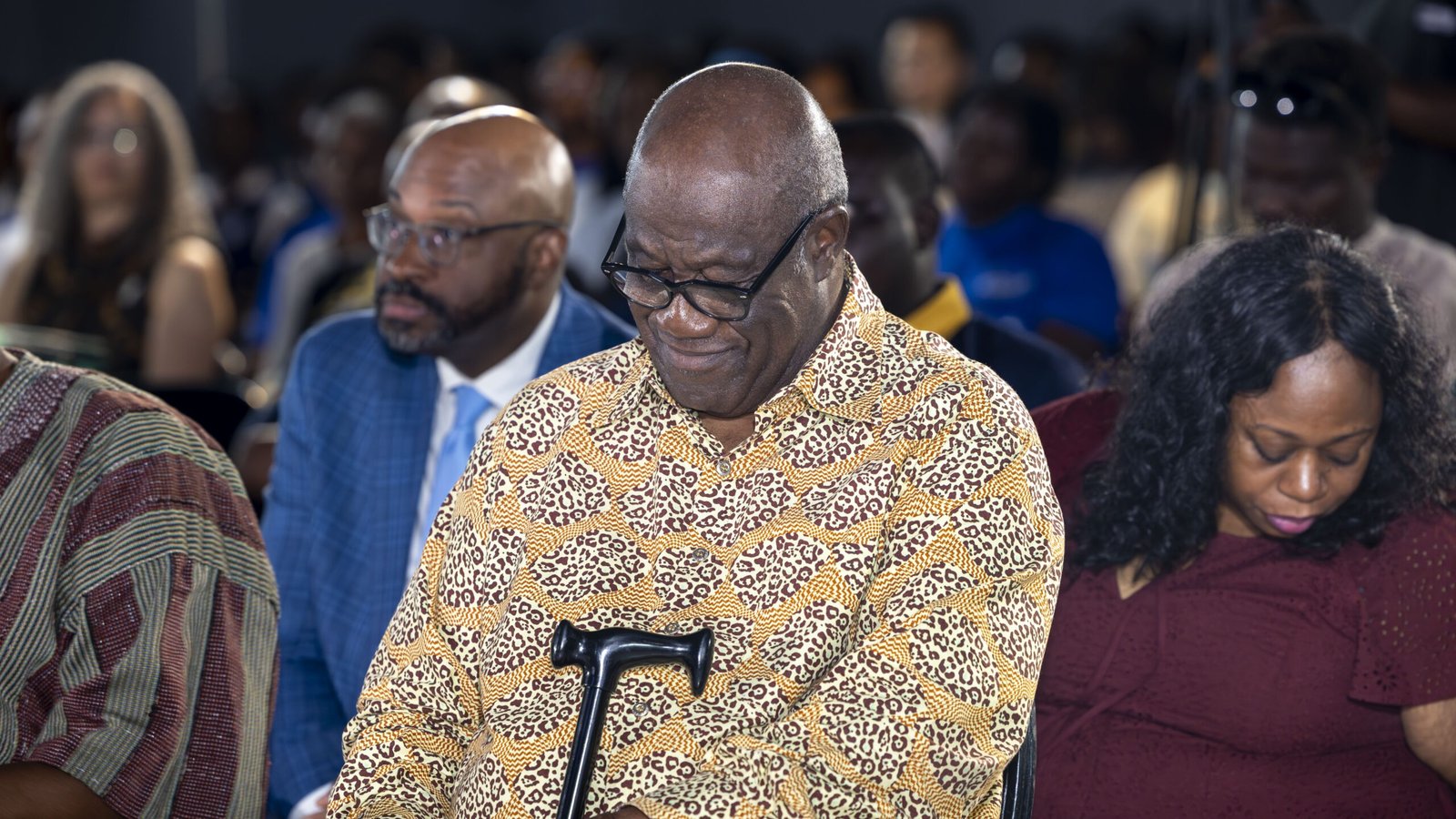
Government officials, diplomats, scholars, students, Foundation board members and invited guests gathered at the W.E.B. Du Bois Memorial Centre for Pan-African Culture to honor the life and work of the scholar, writer, civil rights leader and Pan-Africanist.
The event also drew attention to the Foundation’s plans to redevelop the Centre into a museum, library and research complex dedicated to Dr. Du Bois and his wife, Shirley Graham Du Bois.
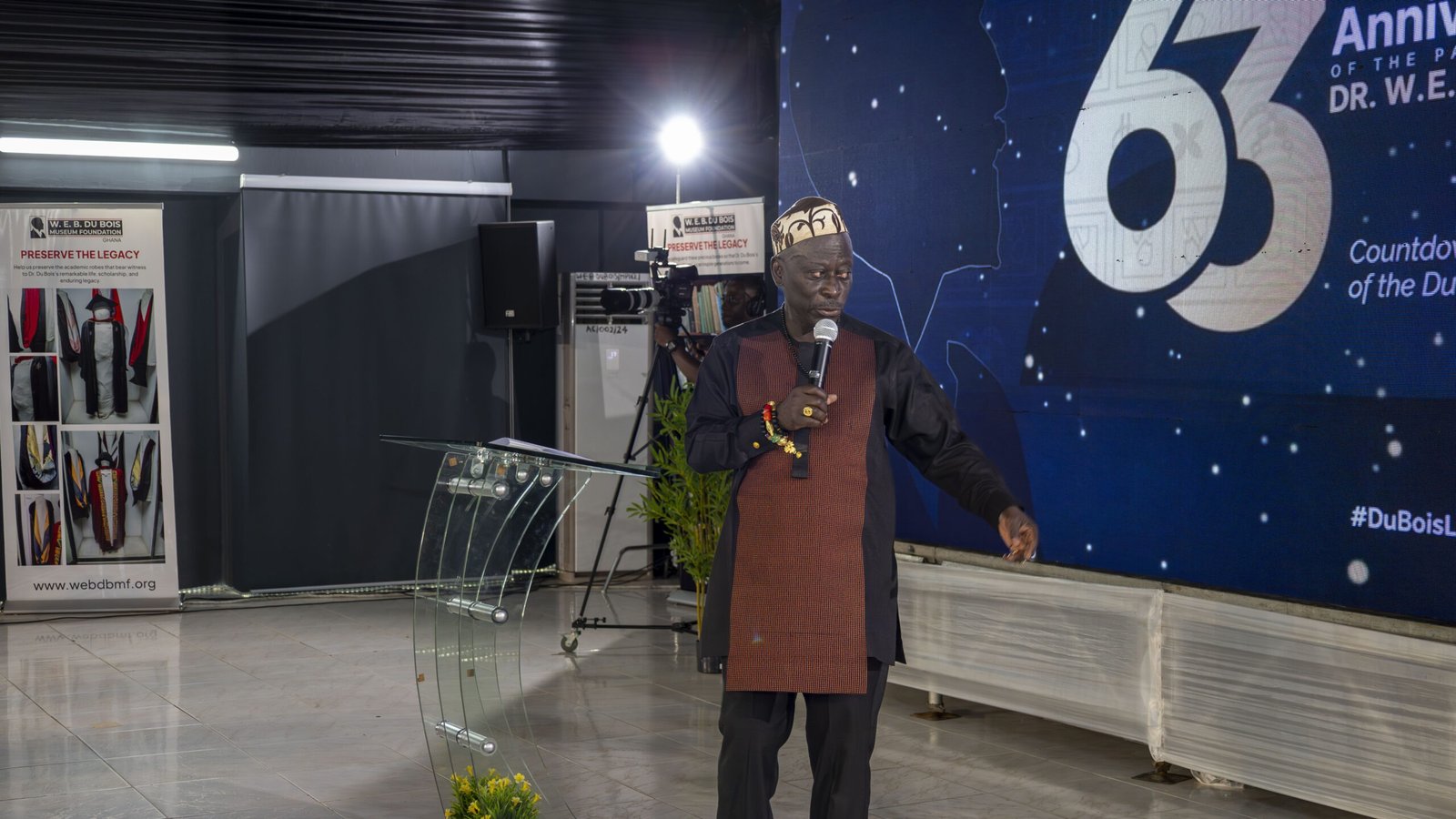
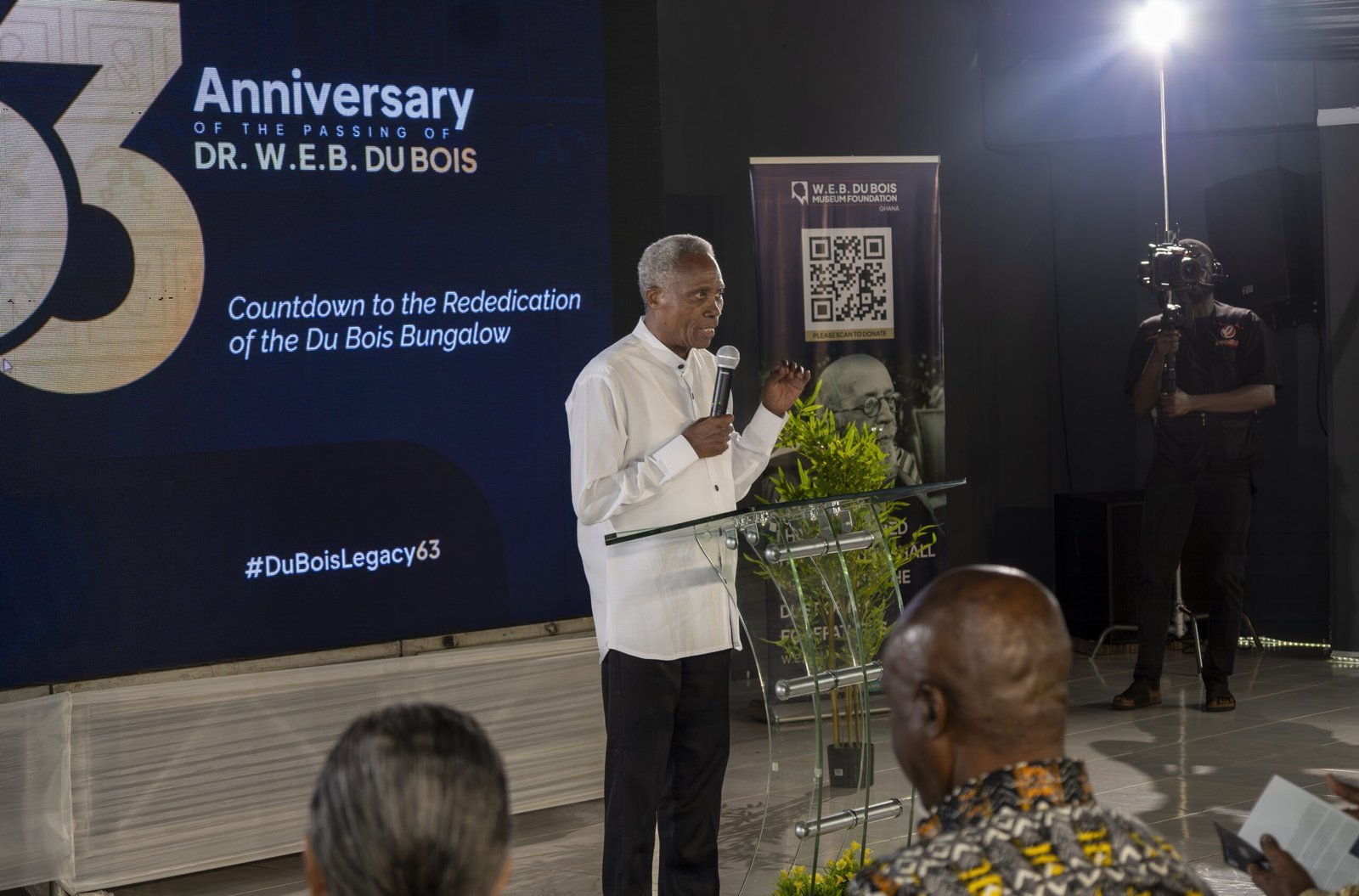
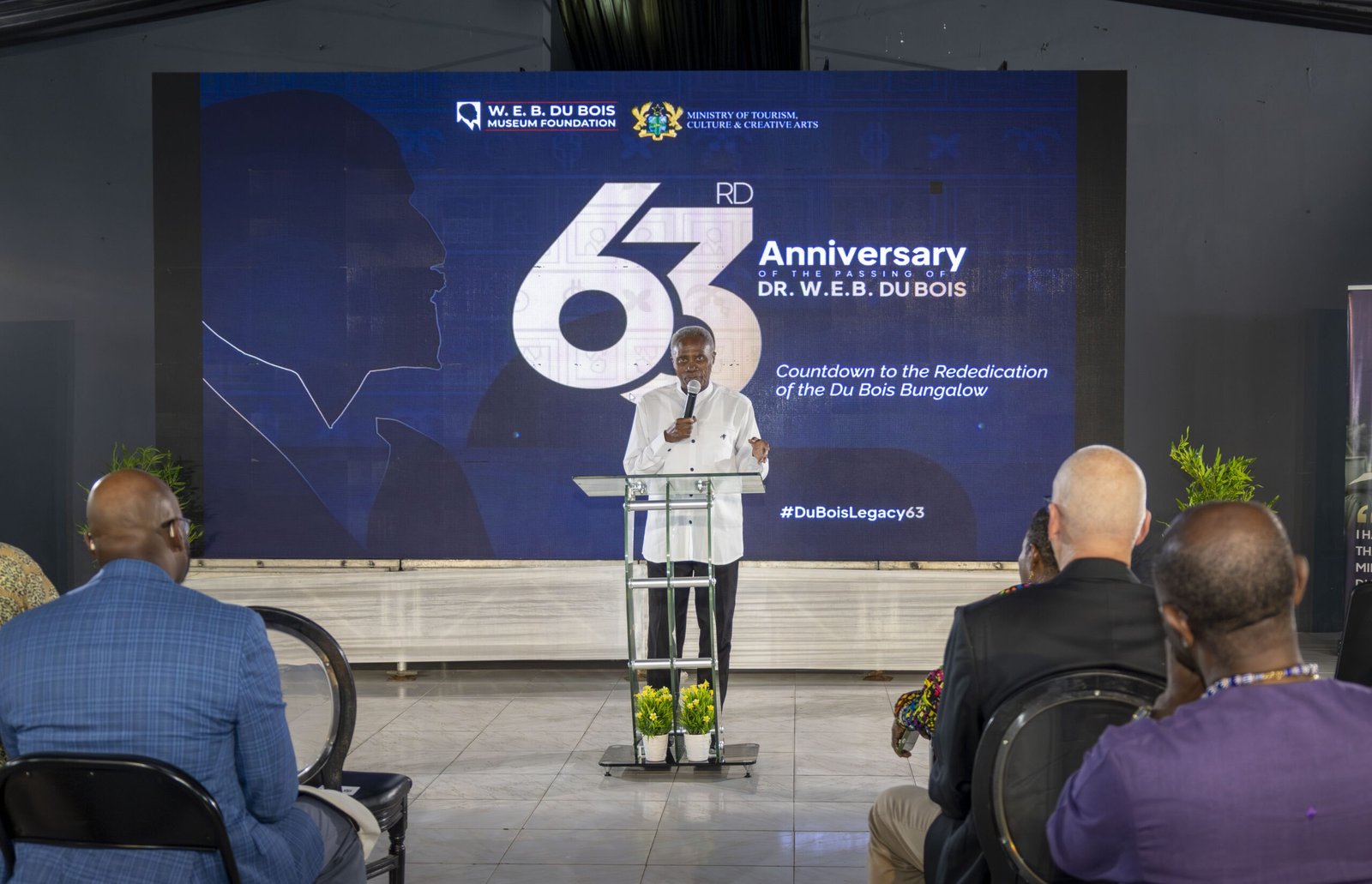
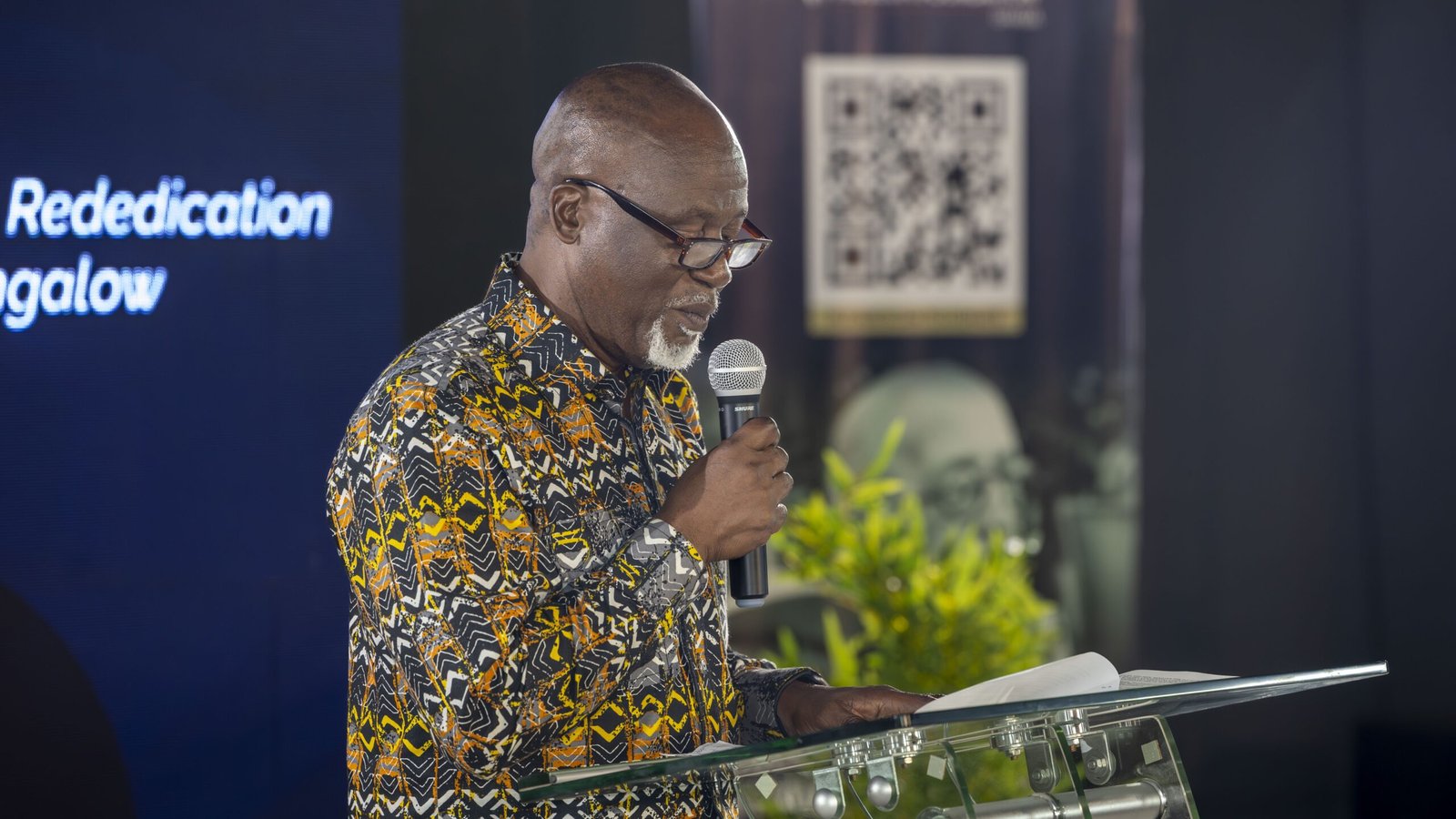
Opening the program, Dr. Kofi A. Boateng, Chief Operating Officer and Chief Financial Officer of the Foundation, spoke about the continuing relevance of Du Bois’s scholarship and activism.
He recalled Du Bois’s early academic work on the transatlantic slave trade and his lifelong opposition to racial injustice. He also reflected on Du Bois’s decision to move to Ghana in 1961 at the invitation of Ghana’s first president, Osagyefo Dr. Kwame Nkrumah.
Quoting from a letter Du Bois wrote to Nigeria’s Nnamdi Azikiwe in March 1963, Dr. Boateng said: “I have returned that my dust shall mingle with the dust of my forefathers.”
Du Bois died in Accra on August 27, 1963, at the age of 95.
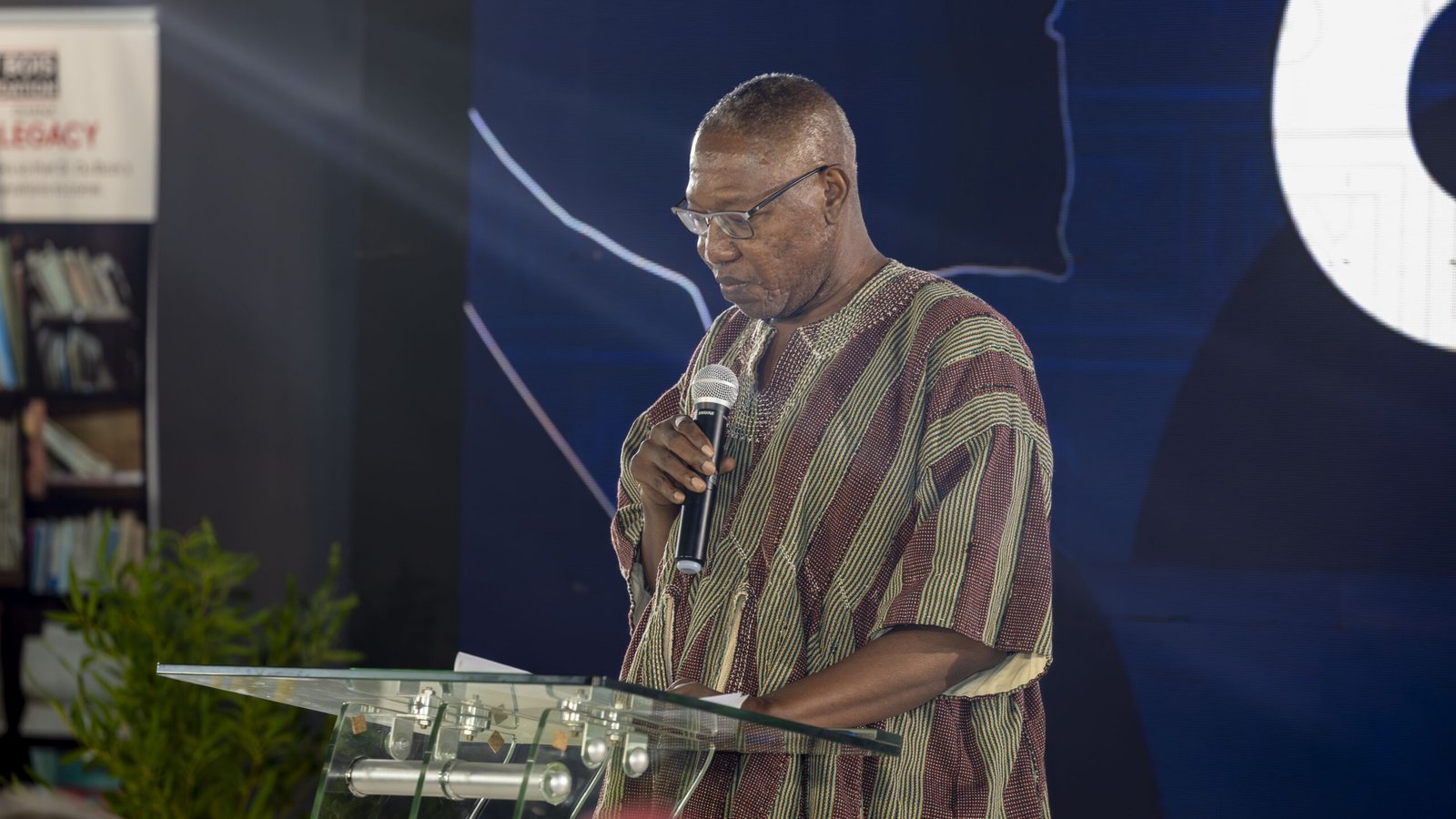
Hon. Fritz Baffour, Chairman of the Foundation’s Ghana Board, encouraged those present to support the redevelopment of the Centre and help build an institution that would serve future generations.
“The past gives identity to the present, and the present is to take care of the unborn,” he said.
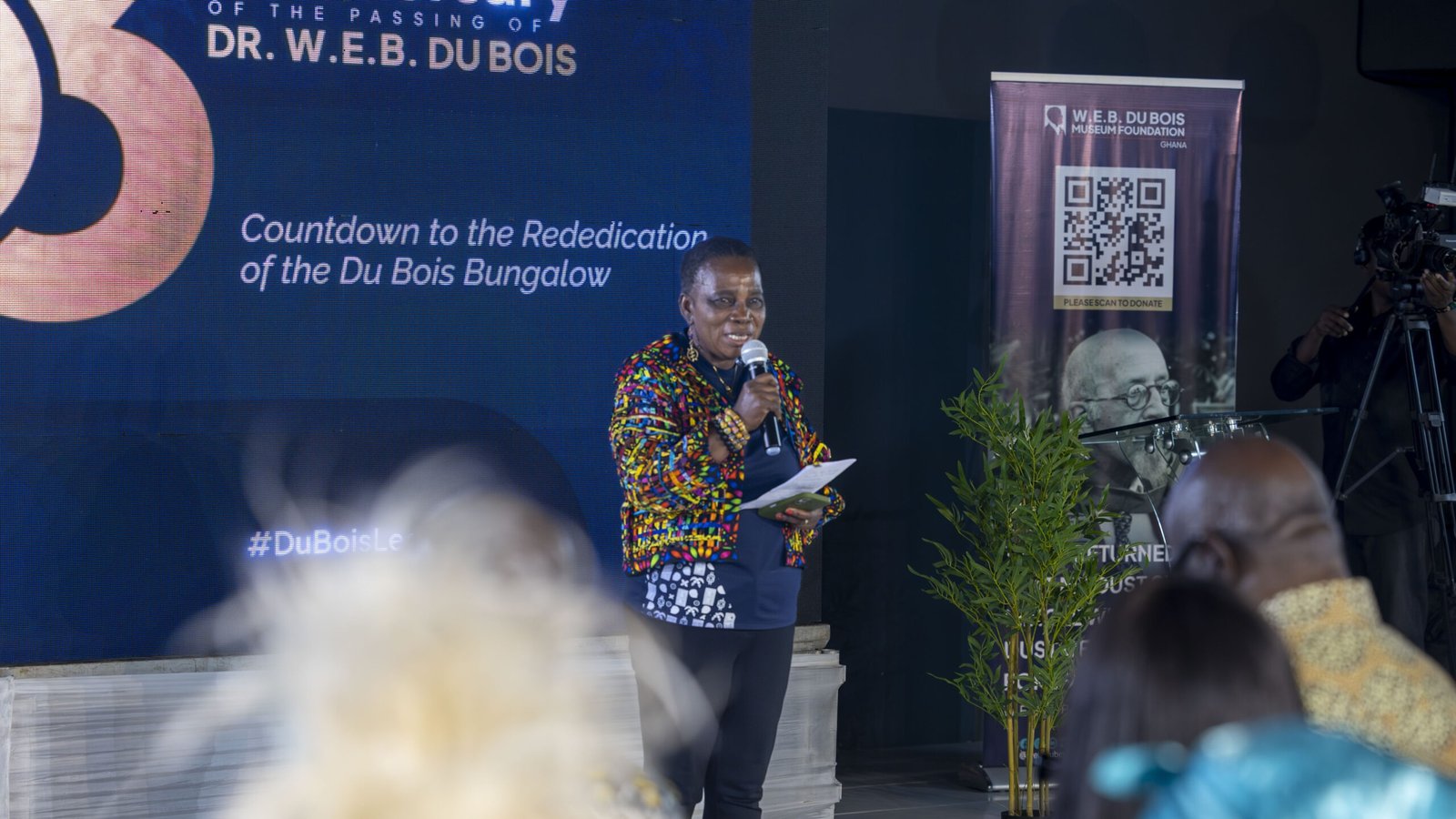
Mr. Japhet Aryiku, Executive Director of the W.E.B. Du Bois Museum Foundation, delivered a message on behalf of the Foundation’s Chairman, Mr. Daniel Rose.
The message described Du Bois as a scholar and civil rights leader who devoted his life to racial justice, education, political equality and human dignity. It also outlined the Foundation’s plans for the Centre, including the restoration of the bungalow and the development of a museum, research library, expanded tomb and facilities for education and public programs.
In his own remarks, Mr. Aryiku called on individuals and institutions to support the redevelopment project.
“We are going to transform this site into a first-class museum and library complex,” he said. “We are going to need all of your support and all of your prayers to make it come true.”
Representing the Ministry of Tourism, Culture and Creative Arts, Dr. Geoffrey Tamakloe described the restoration of the bungalow as “an investment in memory, heritage and identity.”
He said the Du Bois Centre should remain a place of remembrance while providing space for scholarship, cultural exchange and heritage tourism.
“Let us ensure that the restored bungalow becomes a living classroom for young Africans, a destination for visitors from across the world and a continuing center for the ideas of Pan-Africanism, justice, equality and African dignity,” he said.
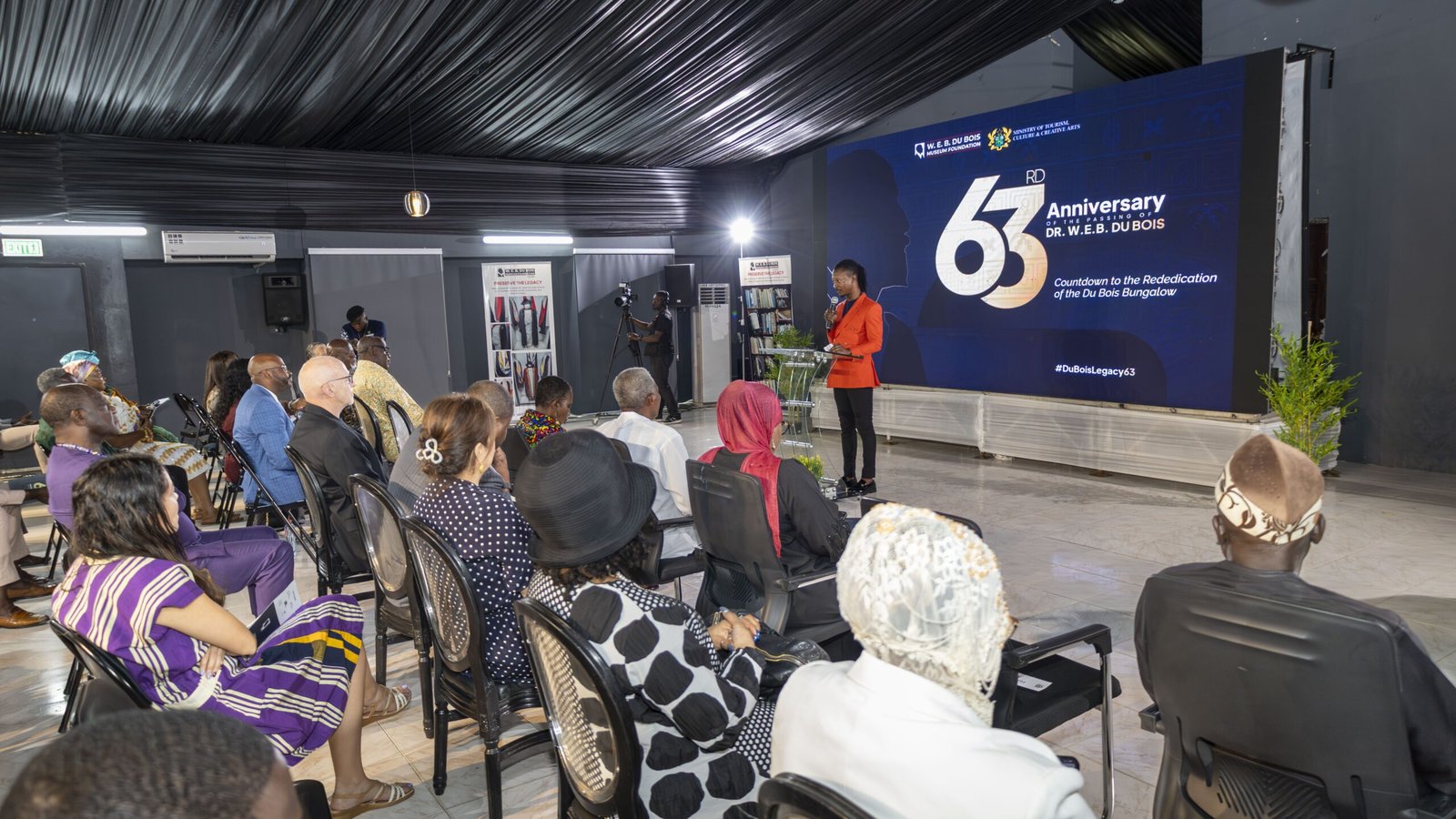
The Deputy Minister for Education, Hon. Dr. Clement Abas Apaak, also spoke about the educational value of the Centre. He said the restored bungalow, museum, research library and preserved collections would provide useful resources for students, teachers and researchers.
He commended the Foundation and its partners for their work to preserve approximately 1,500 books, journals and other publications associated with Dr. Du Bois.
“Learning does not only take place in a classroom setting,” he said. “Places such as the Du Bois Centre allow students to see the people, objects and records behind the subjects that they study.”
Speaking on behalf of the Office of the President, Deputy Presidential Spokesperson Hajia Shamima Muslim conveyed greetings from President John Dramani Mahama and the Chief of Staff, Hon. Julius Debrah.
She said Du Bois’s life showed that knowledge carries a responsibility to society and must be used to confront injustice and improve people’s lives.
“We are not simply restoring a building. We are preserving a legacy,” she said. “We are protecting a place where future generations can encounter the history, the ideas and the values that connected Africa with its global diaspora.”
She called for the Centre to remain a living institution where young people can learn about their history, scholars can produce new knowledge and ideas for Africa’s progress can be discussed.
“Let us honor Du Bois not only by remembering his history, but by building the future his ideals dared Africa to imagine,” she said.
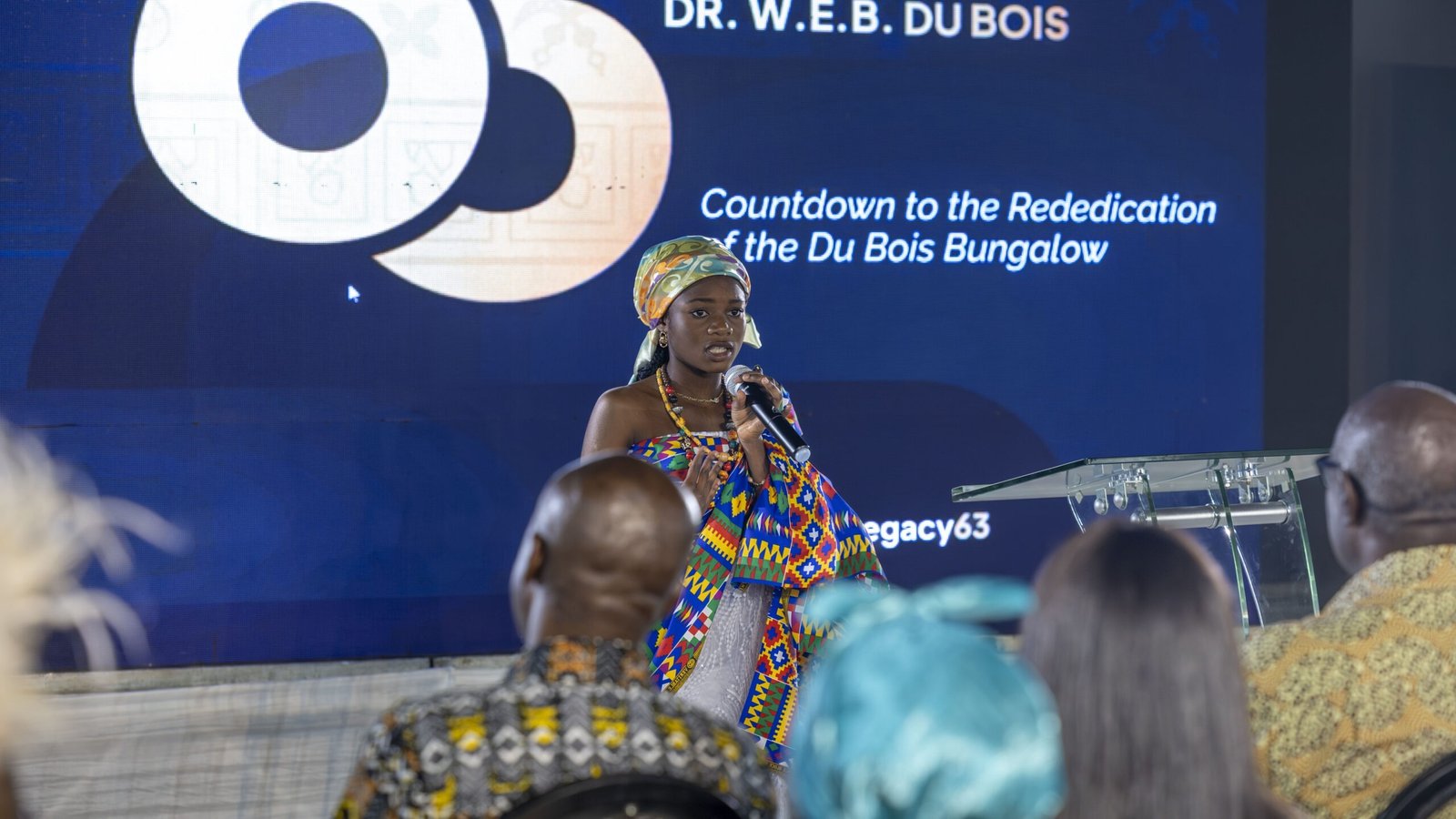
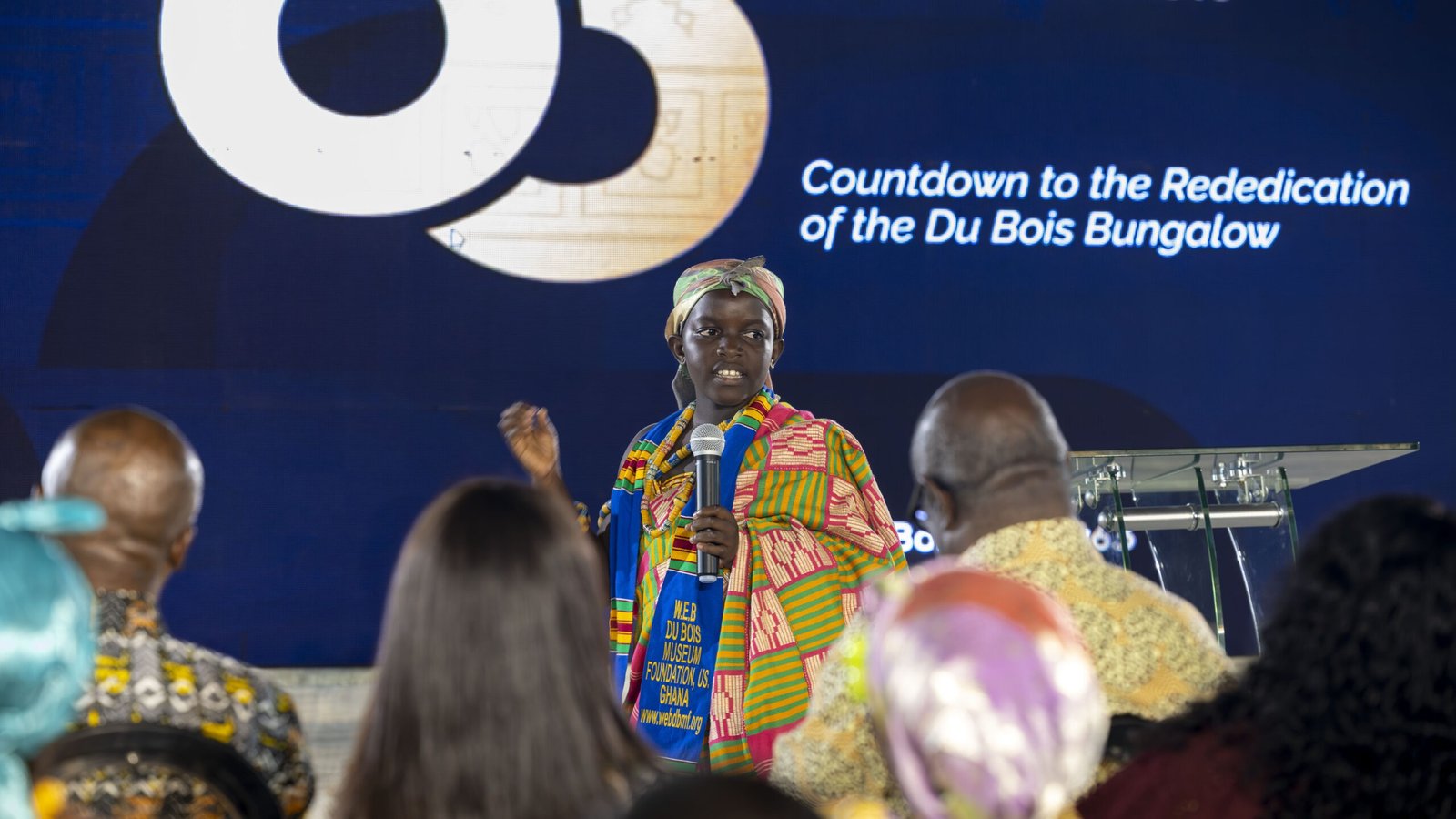
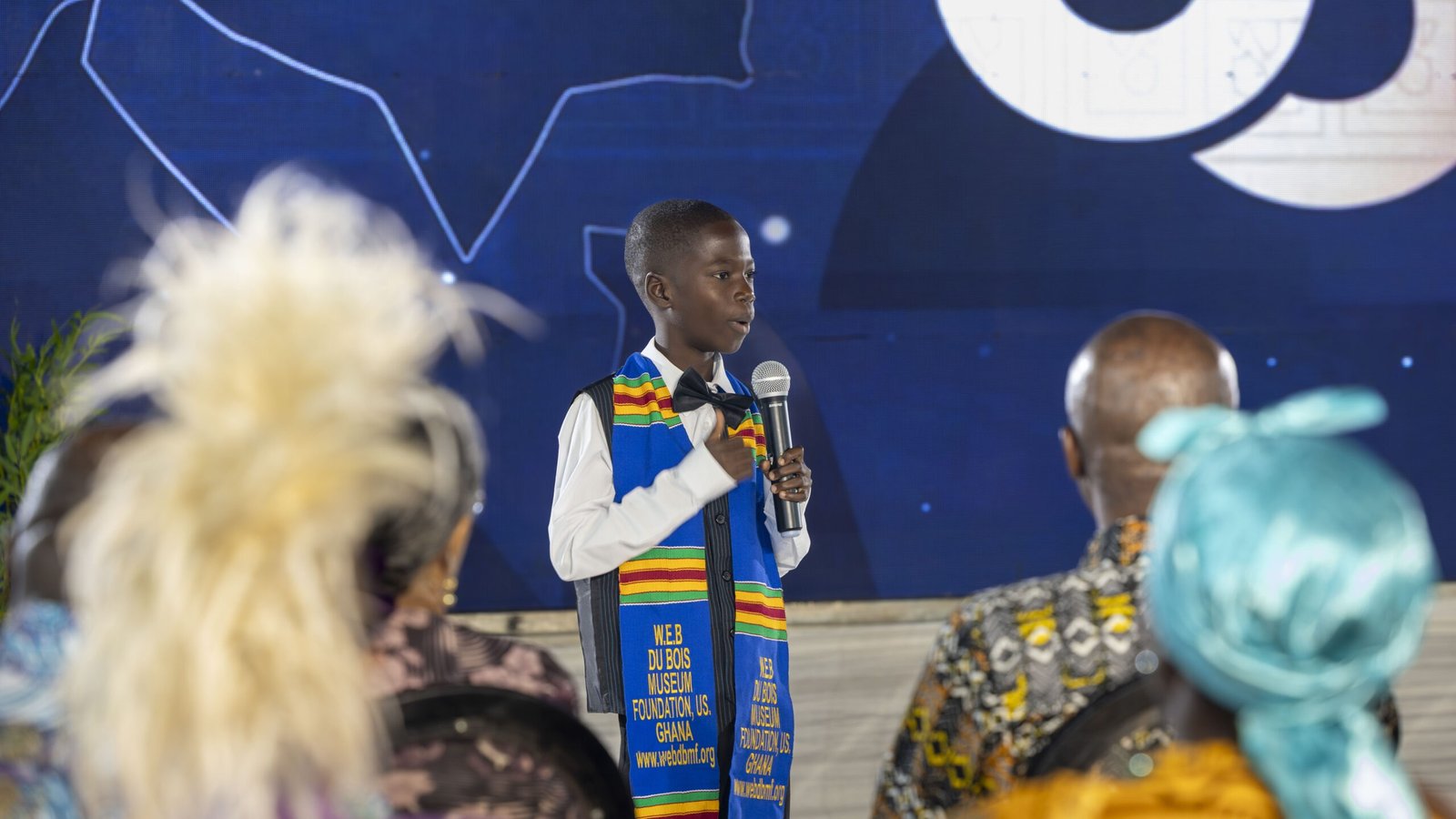
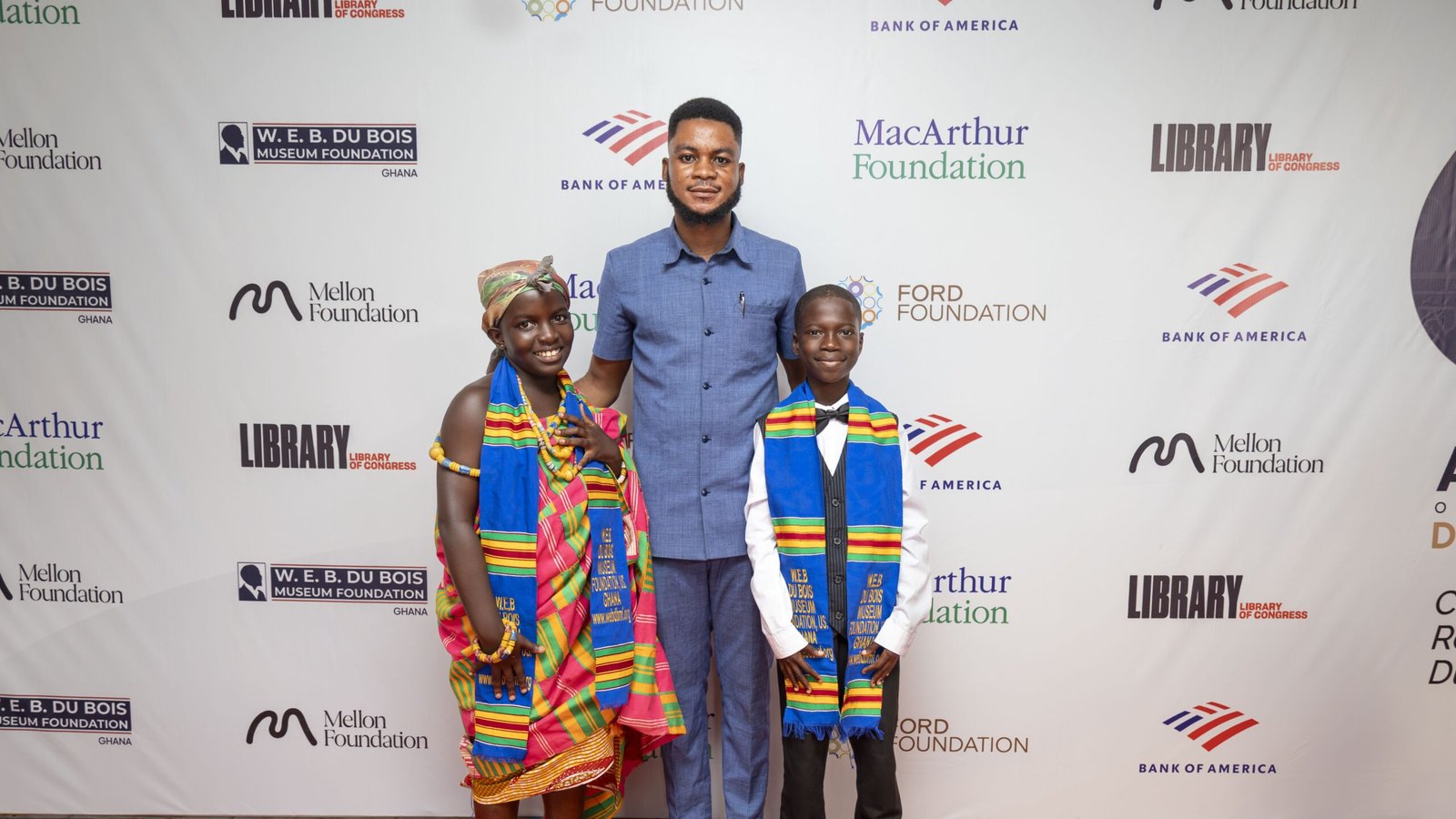
Young people also took part in the program through spoken-word presentations about the life and work of Du Bois.
Mariam Asare and Adamu Ikhlas of Yahoman Basic School, together with Felicia Nyamekye of L&A Memorial Academy, reflected on his scholarship, Pan-Africanism, fight for racial justice and decision to spend his final years in Ghana.
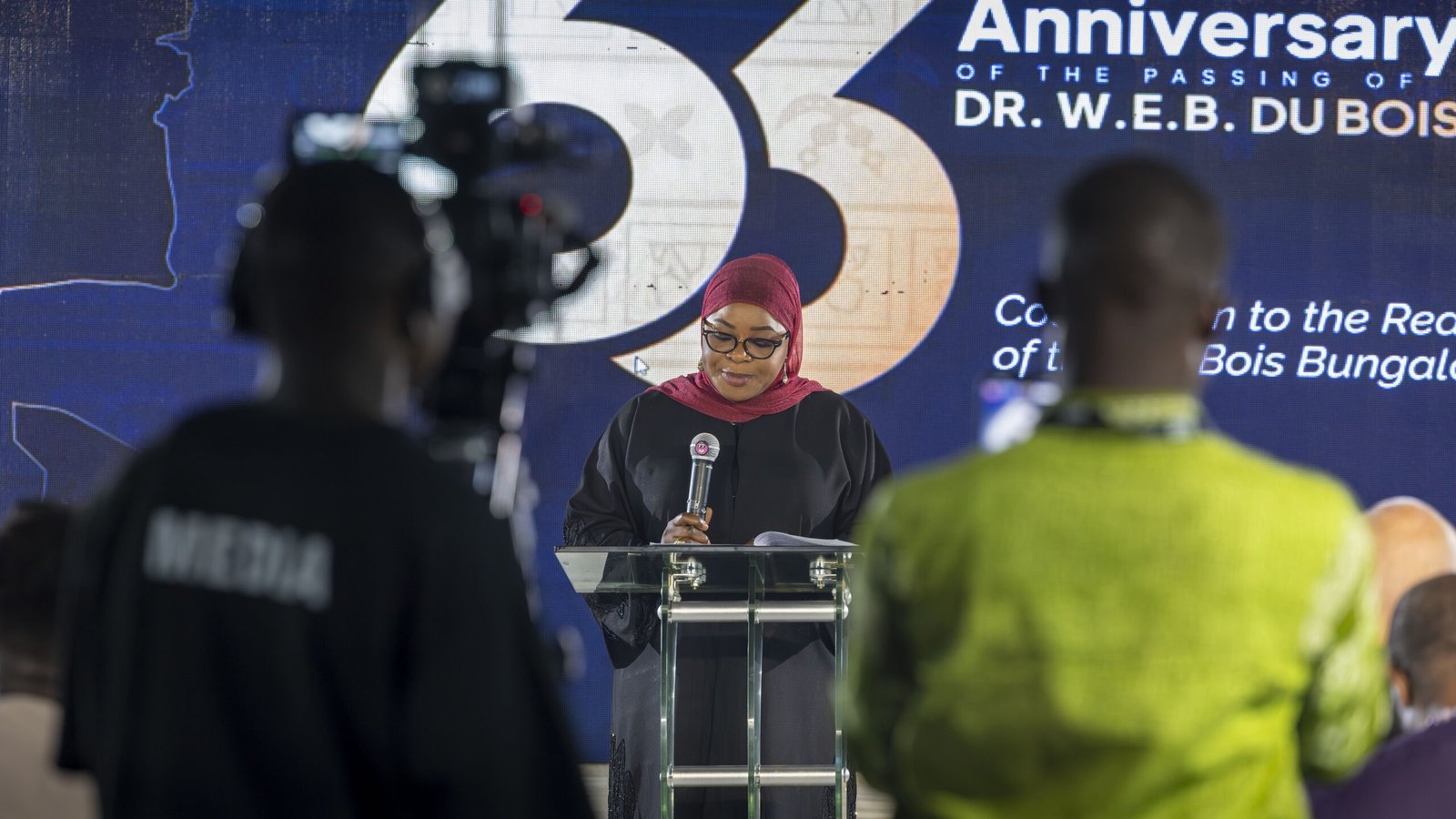
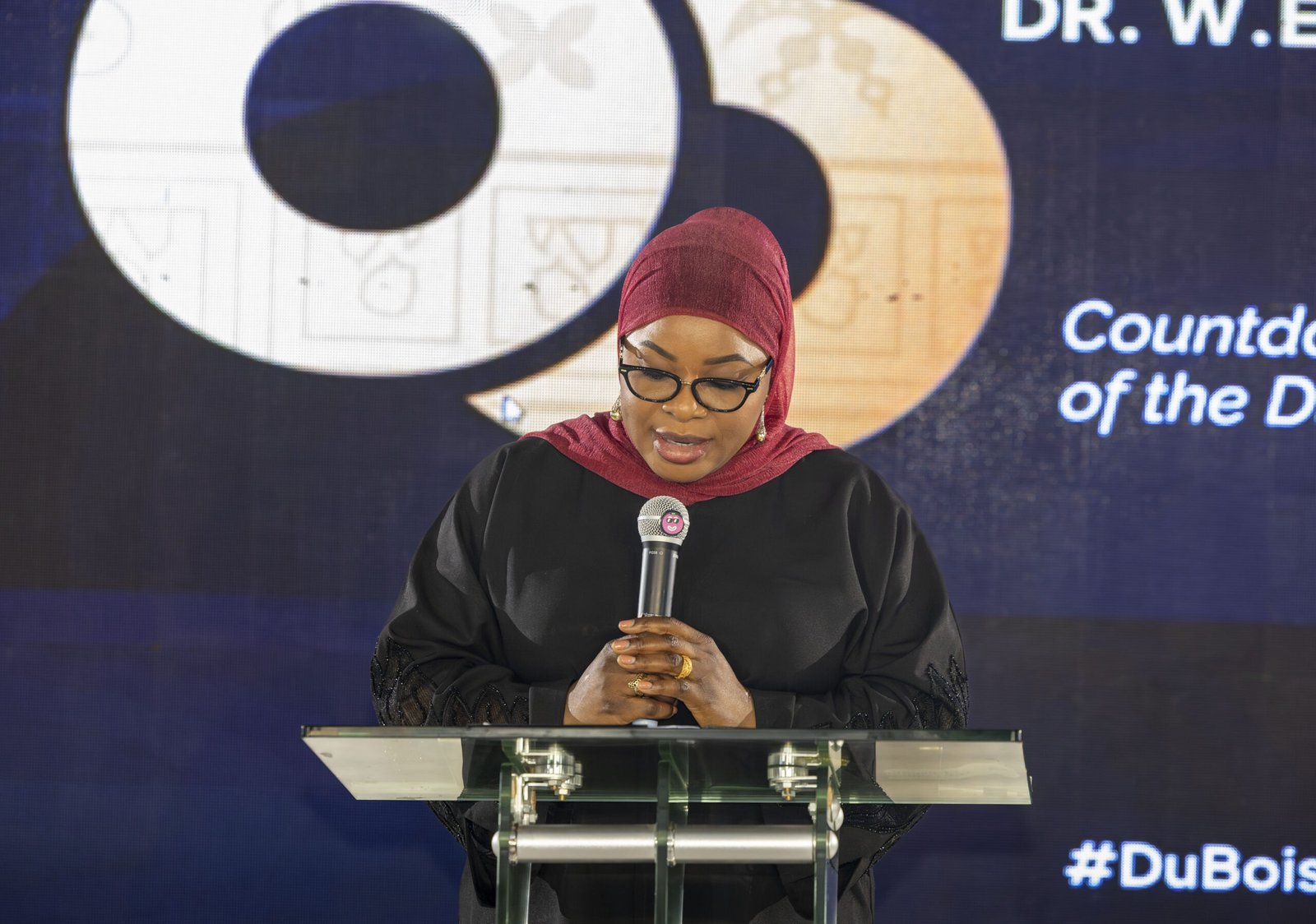
Young people also took part in the program through spoken-word presentations about the life and work of Du Bois.
Mariam Asare and Adamu Ikhlas of Yahoman Basic School, together with Felicia Nyamekye of L&A Memorial Academy, reflected on his scholarship, Pan-Africanism, fight for racial justice and decision to spend his final years in Ghana.
Guests later watched a guided video tour of the Du Bois bungalow, which is currently closed for restoration. The video showed the building’s former living and dining areas, Du Bois’s home office and personal library, and the rooms that later became spaces for exhibitions and educational programs.
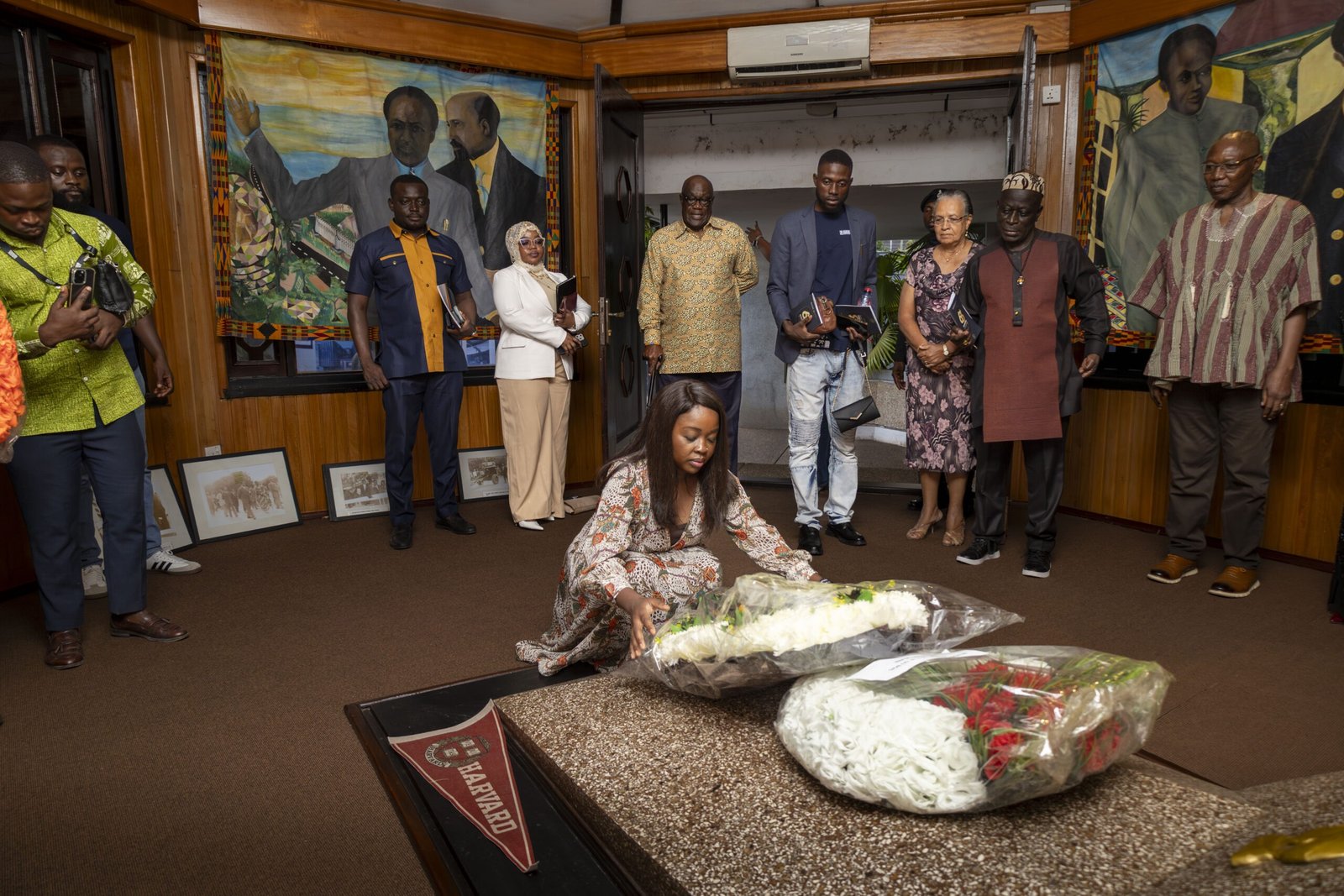
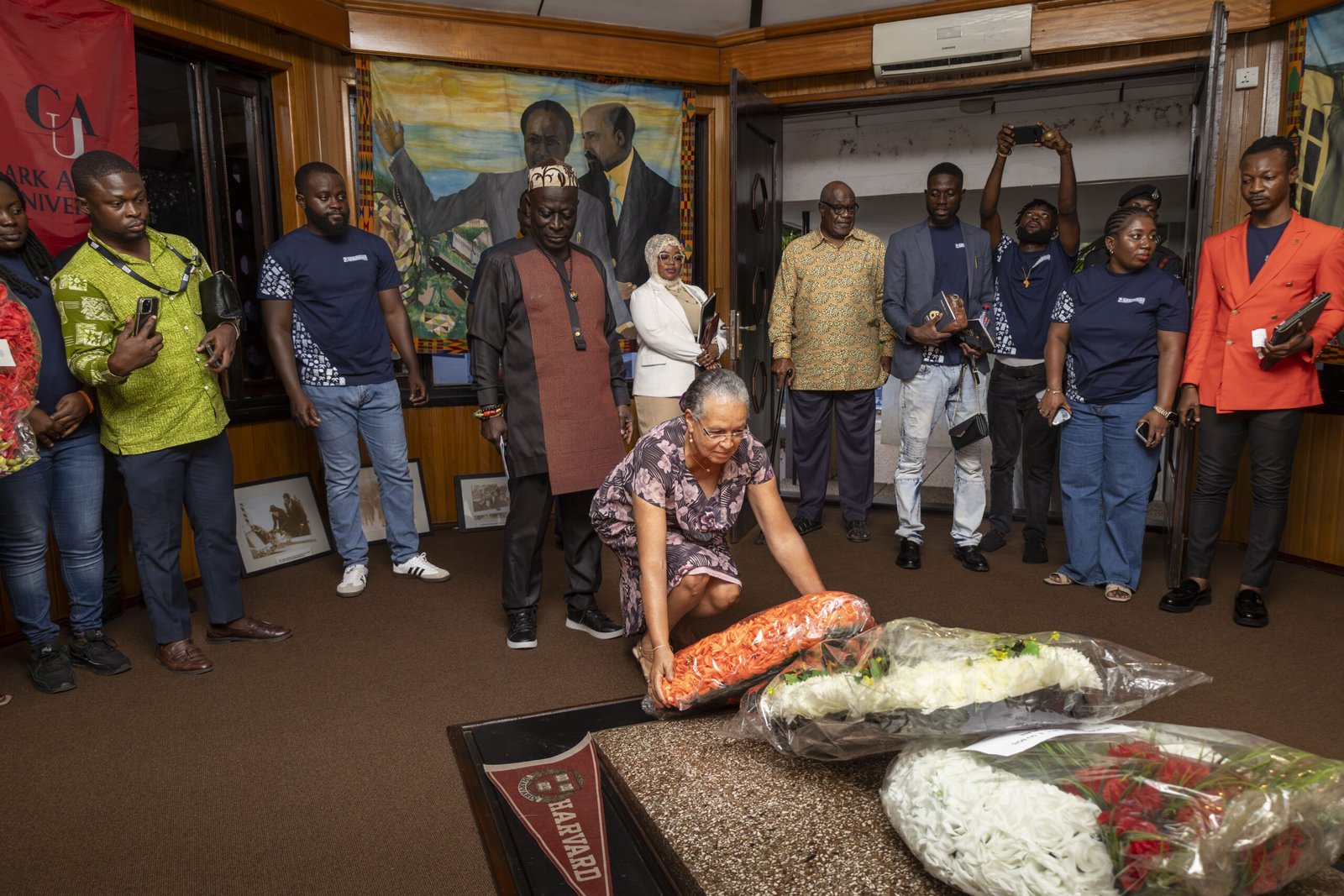
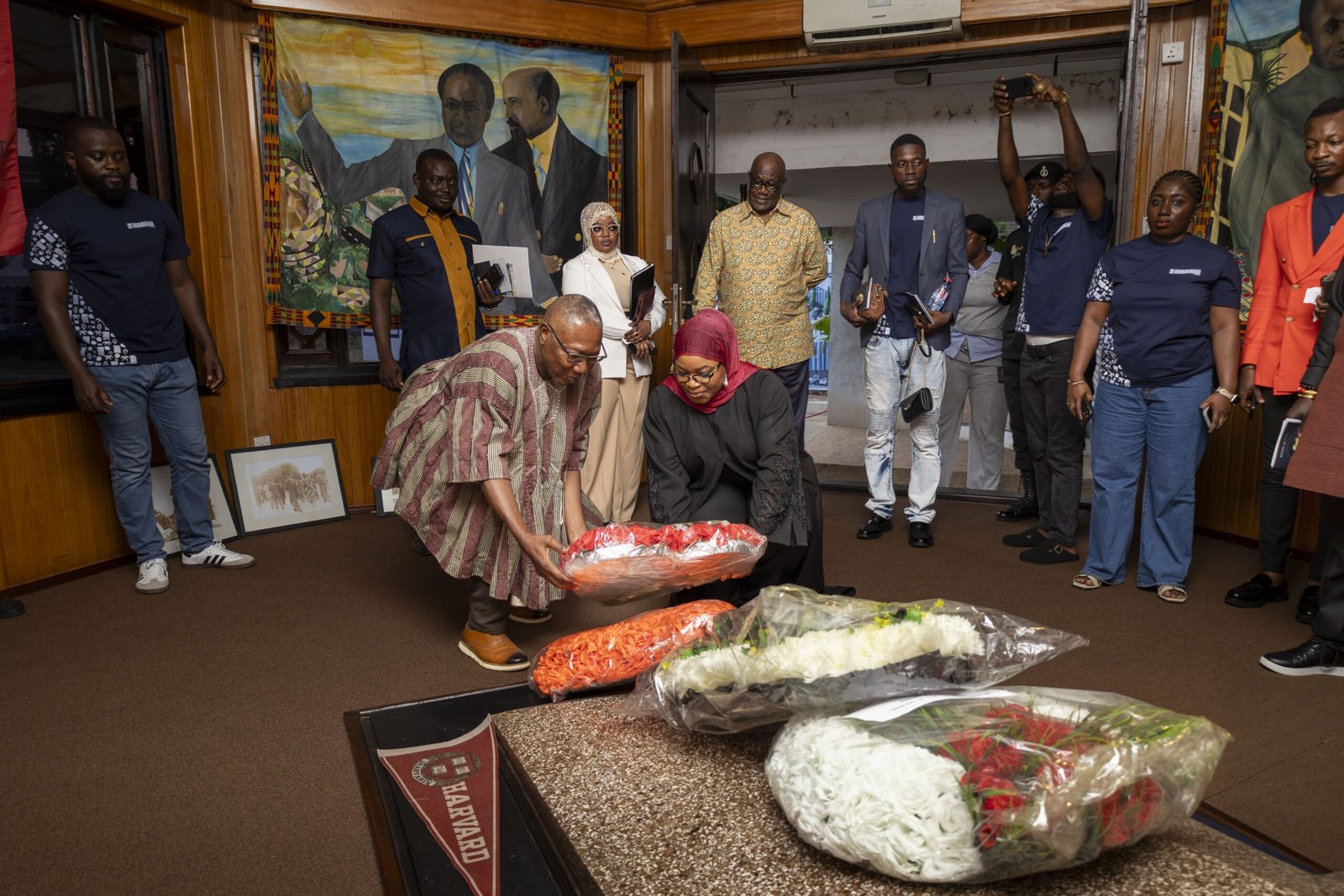
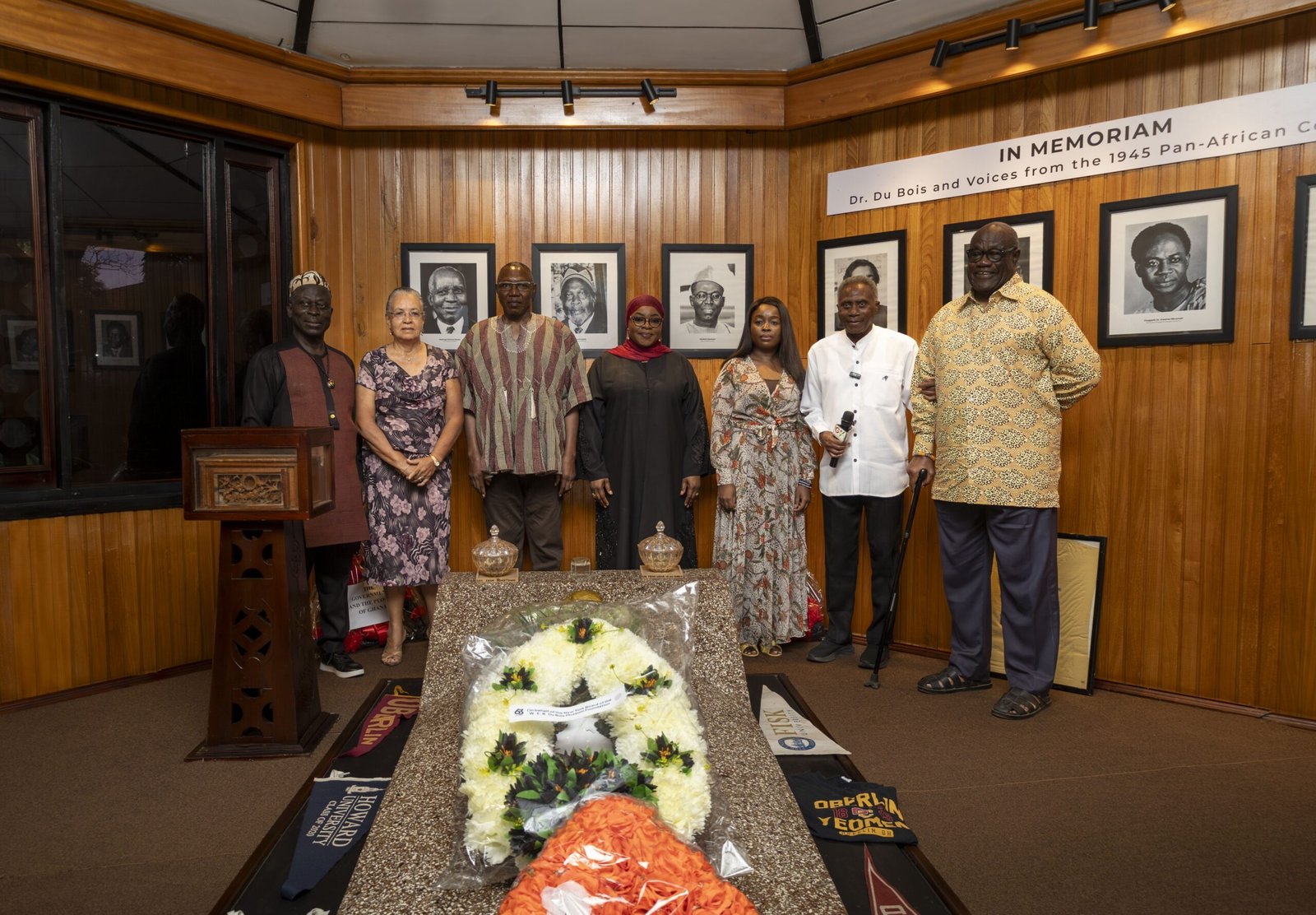
The indoor program was followed by a wreath-laying ceremony at the tomb of Dr. Du Bois and Shirley Graham Du Bois.
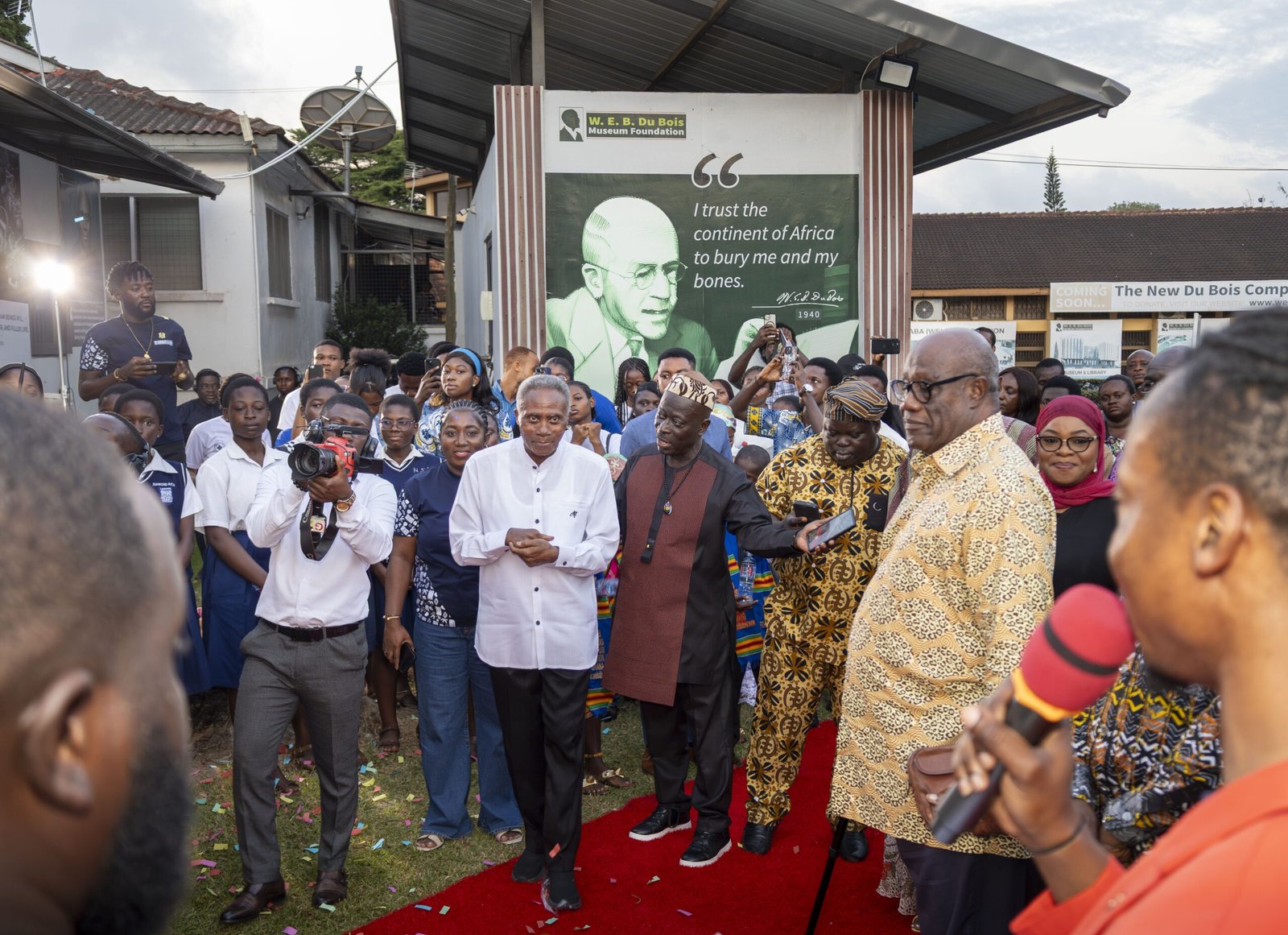
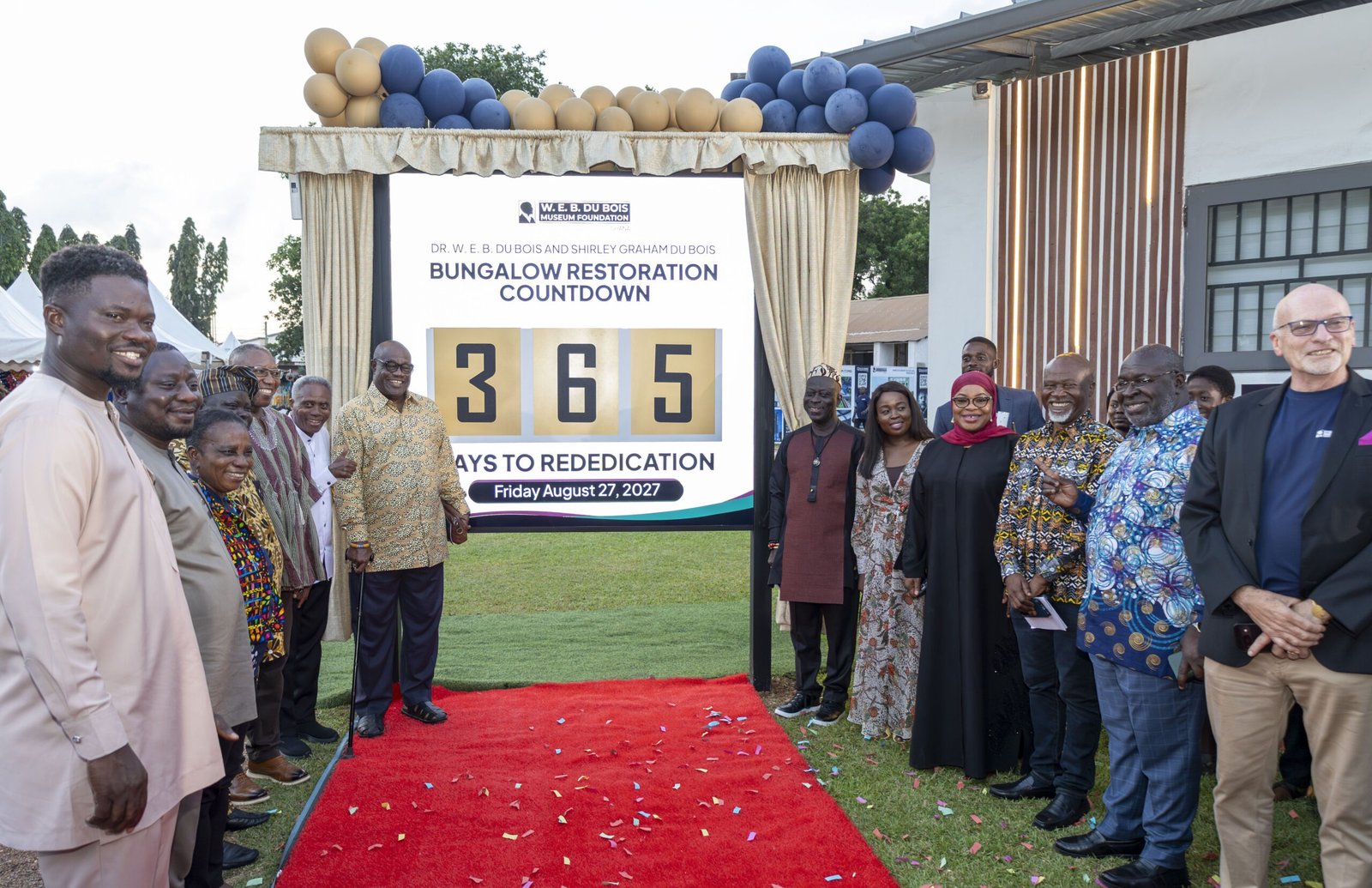
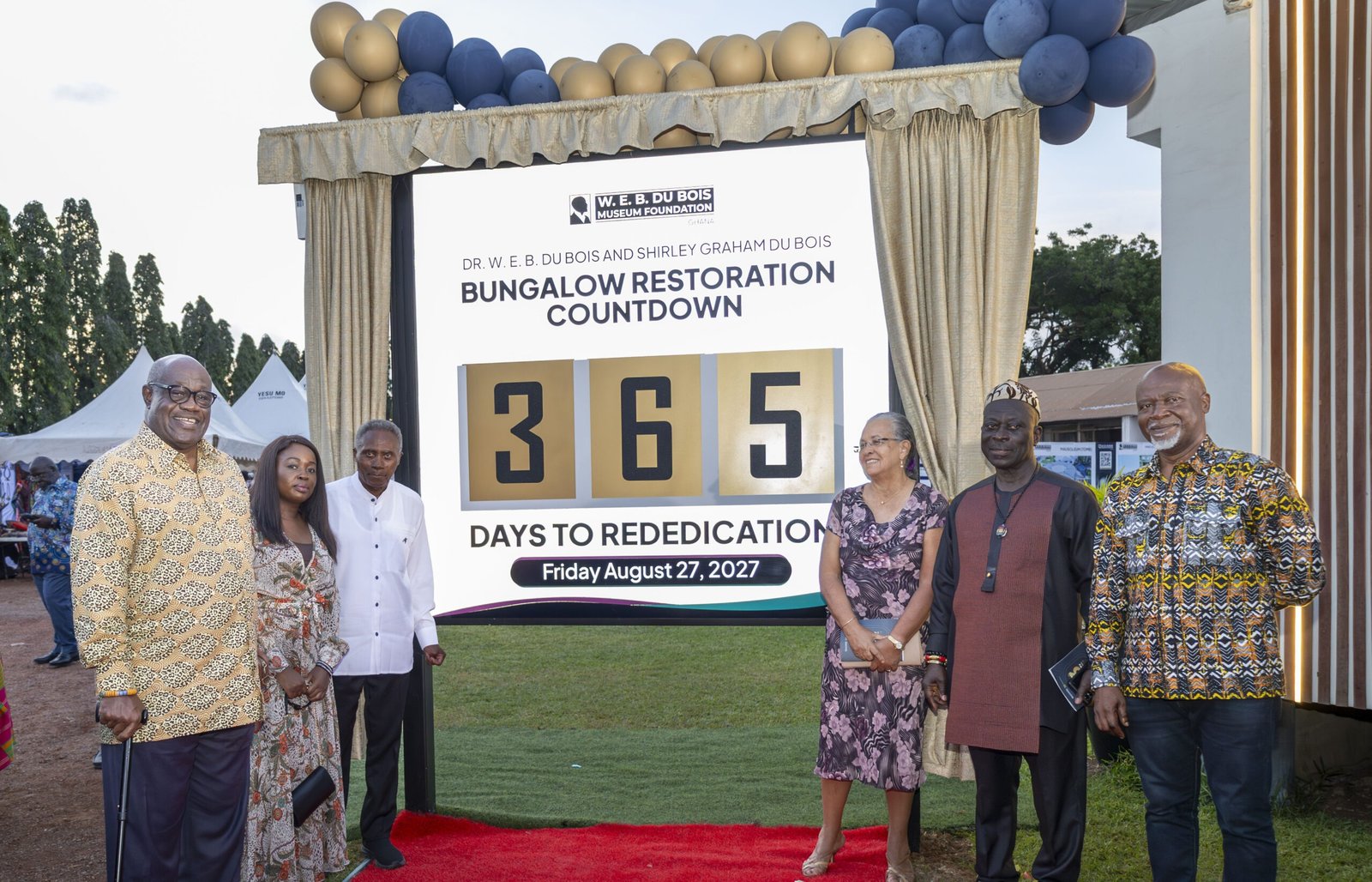
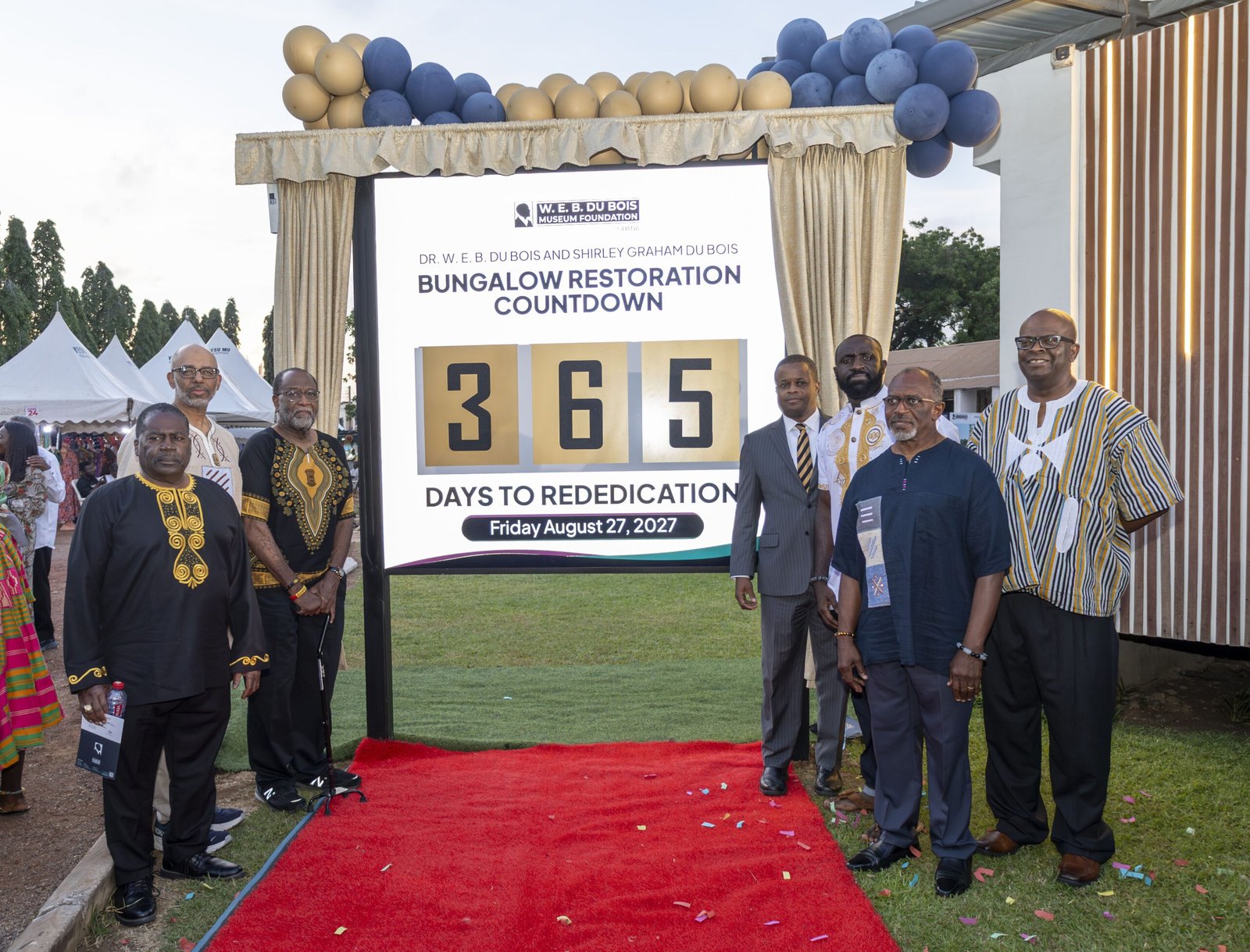
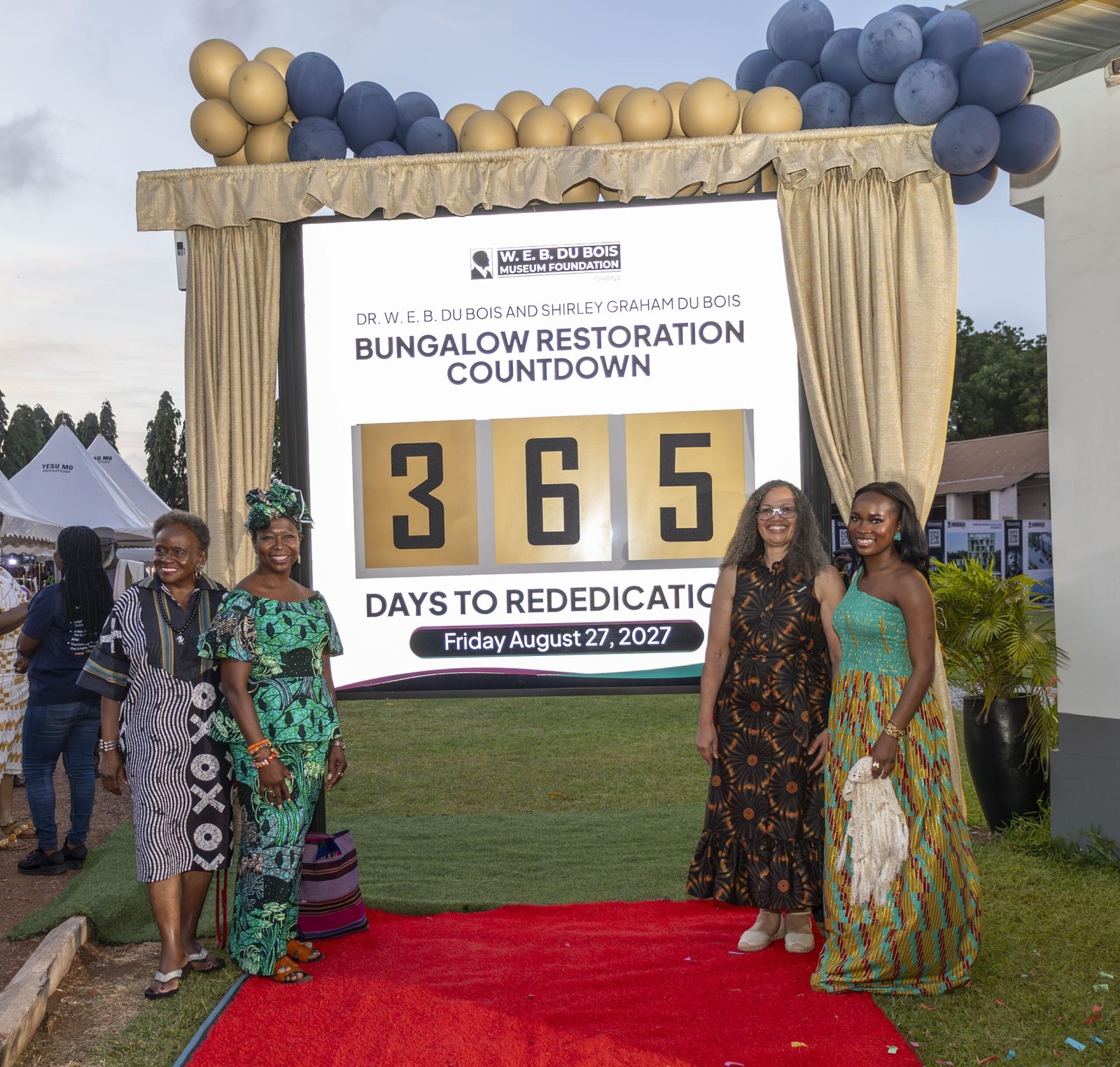
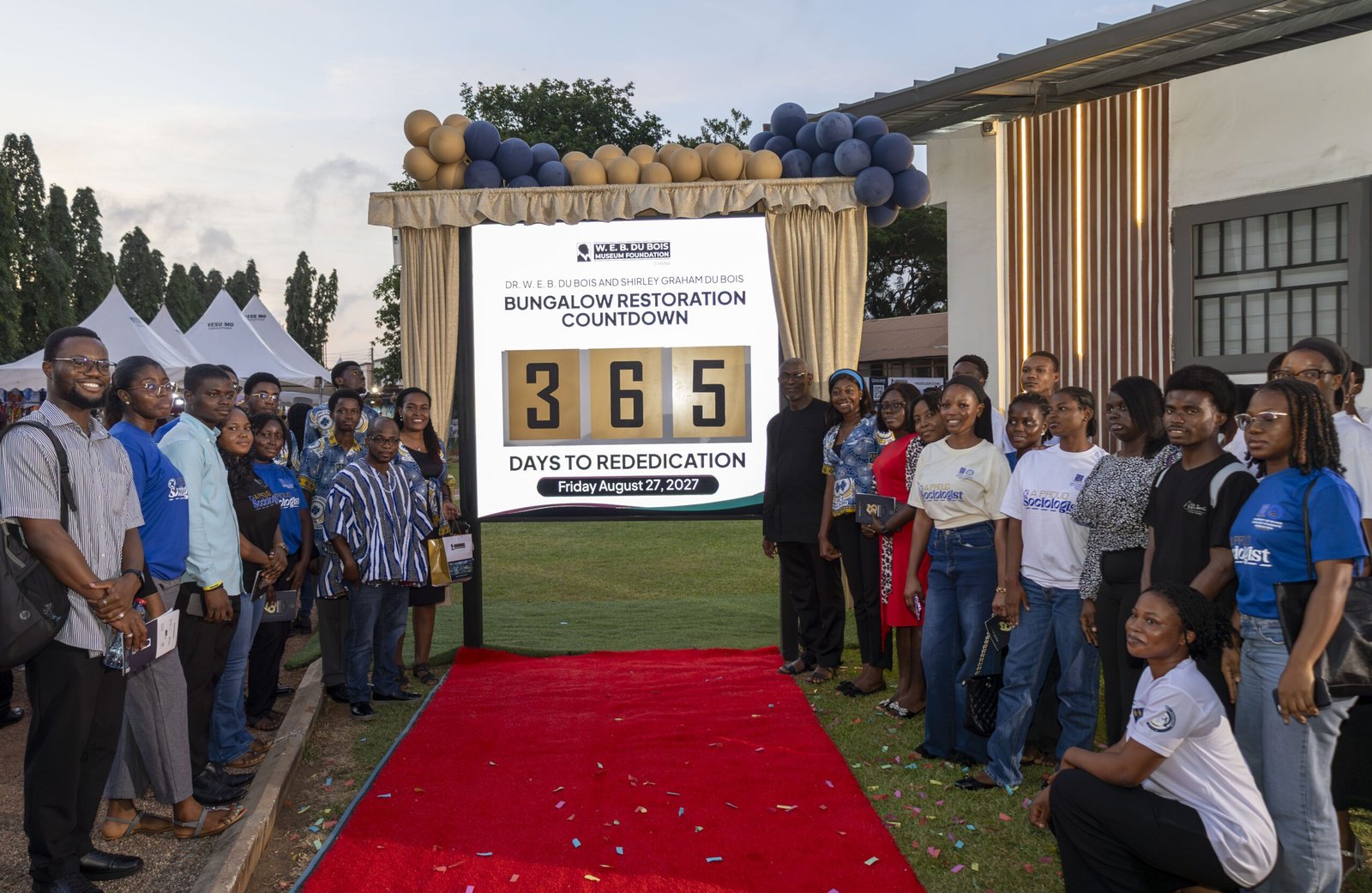
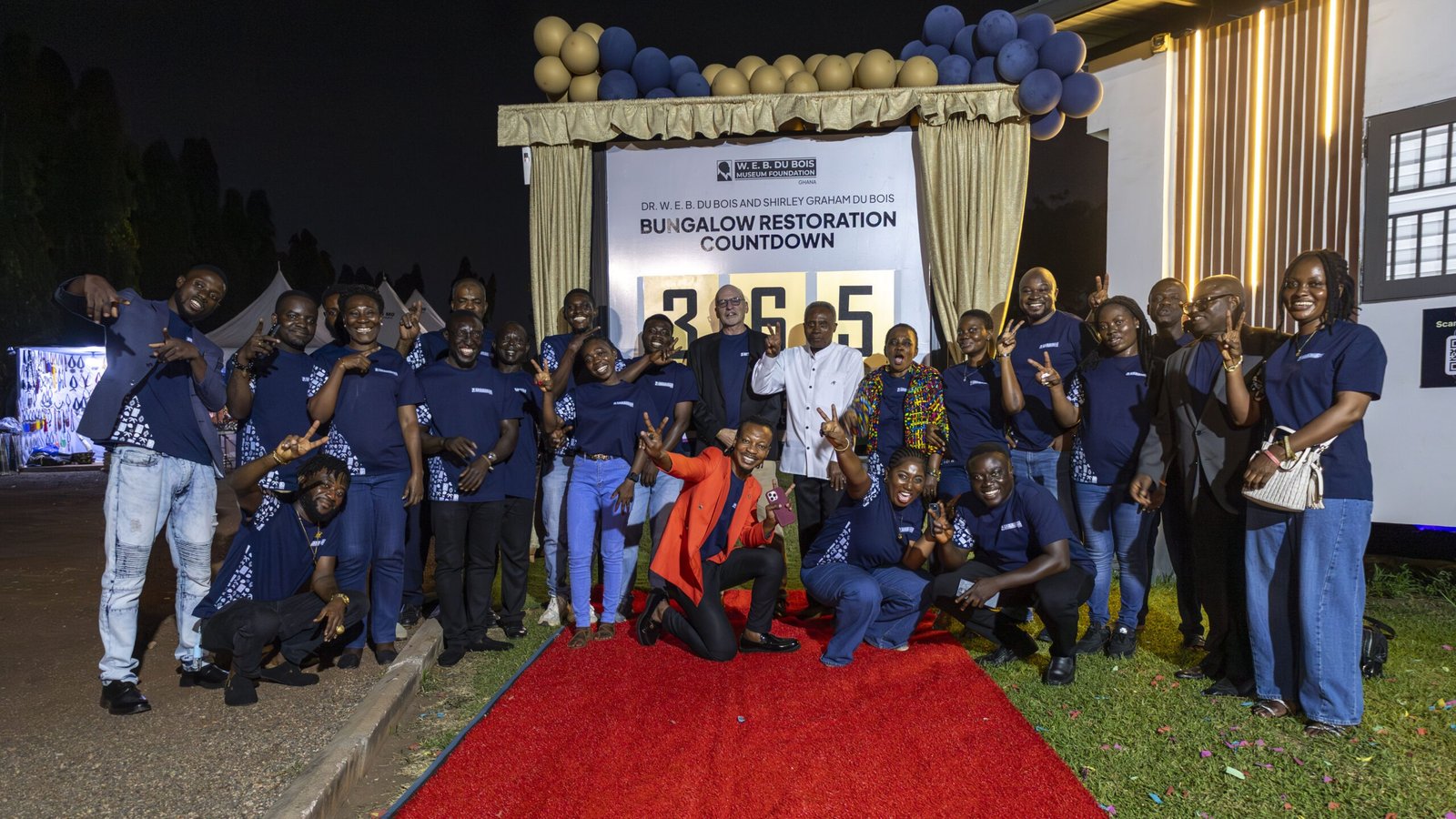
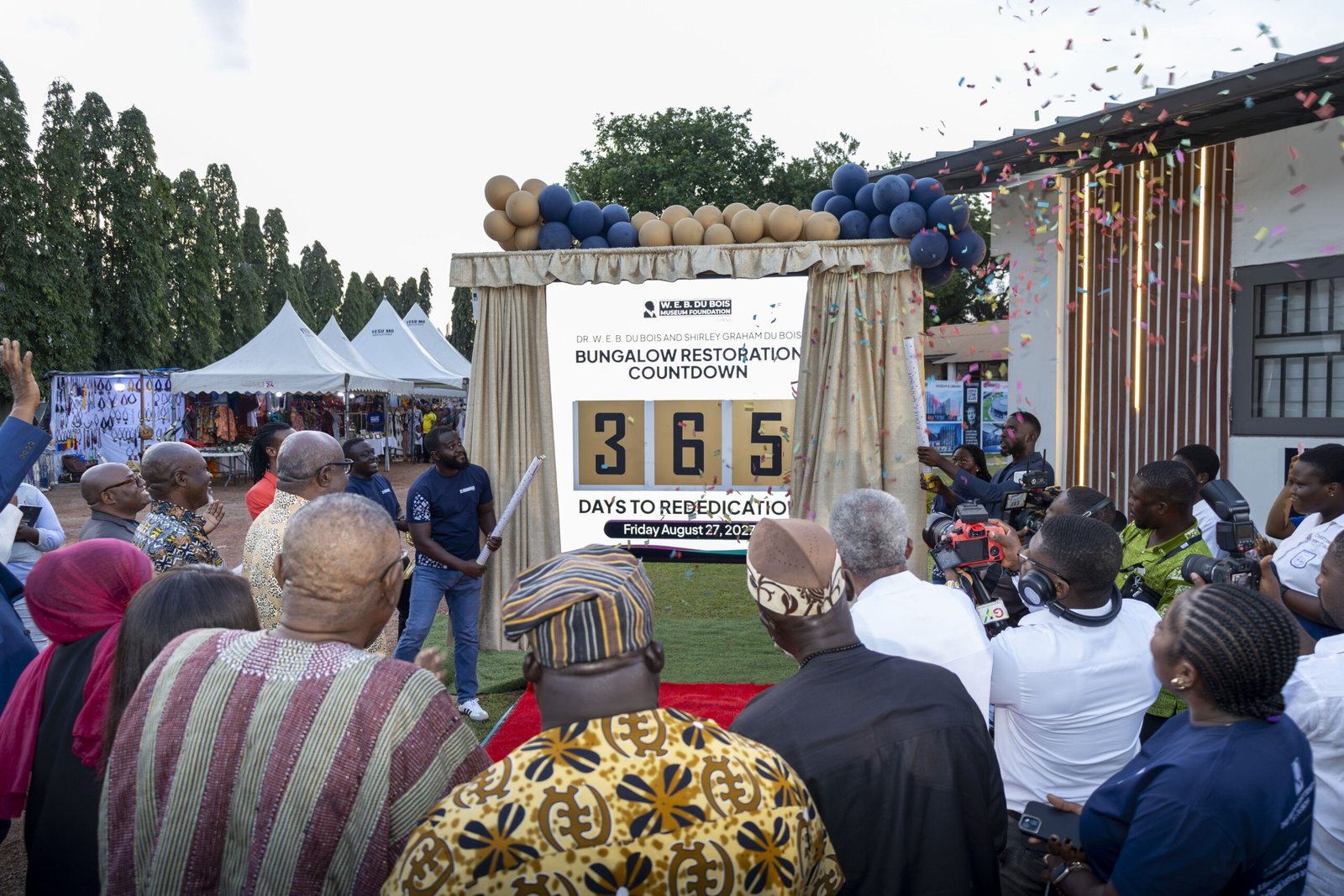
After the wreath-laying, guests gathered for the unveiling of the official countdown to the bungalow’s rededication. The audience joined in an excited countdown before the curtains were drawn to reveal the countdown board, marking 365 days until August 27, 2027.
Confetti filled the air as guests applauded the start of the year-long countdown. Official photographs and other photo opportunities followed the unveiling.
Dr. Du Bois lived in Ghana from 1961 until his death in 1963. His remains, together with the ashes of Shirley Graham Du Bois, are interred at the Centre in Accra.