ja@webdbmf.org

What Would Dr. W. E. B. Du Bois Think About African Unity Today?
Accra, Ghana — Monday, May 25, 2026
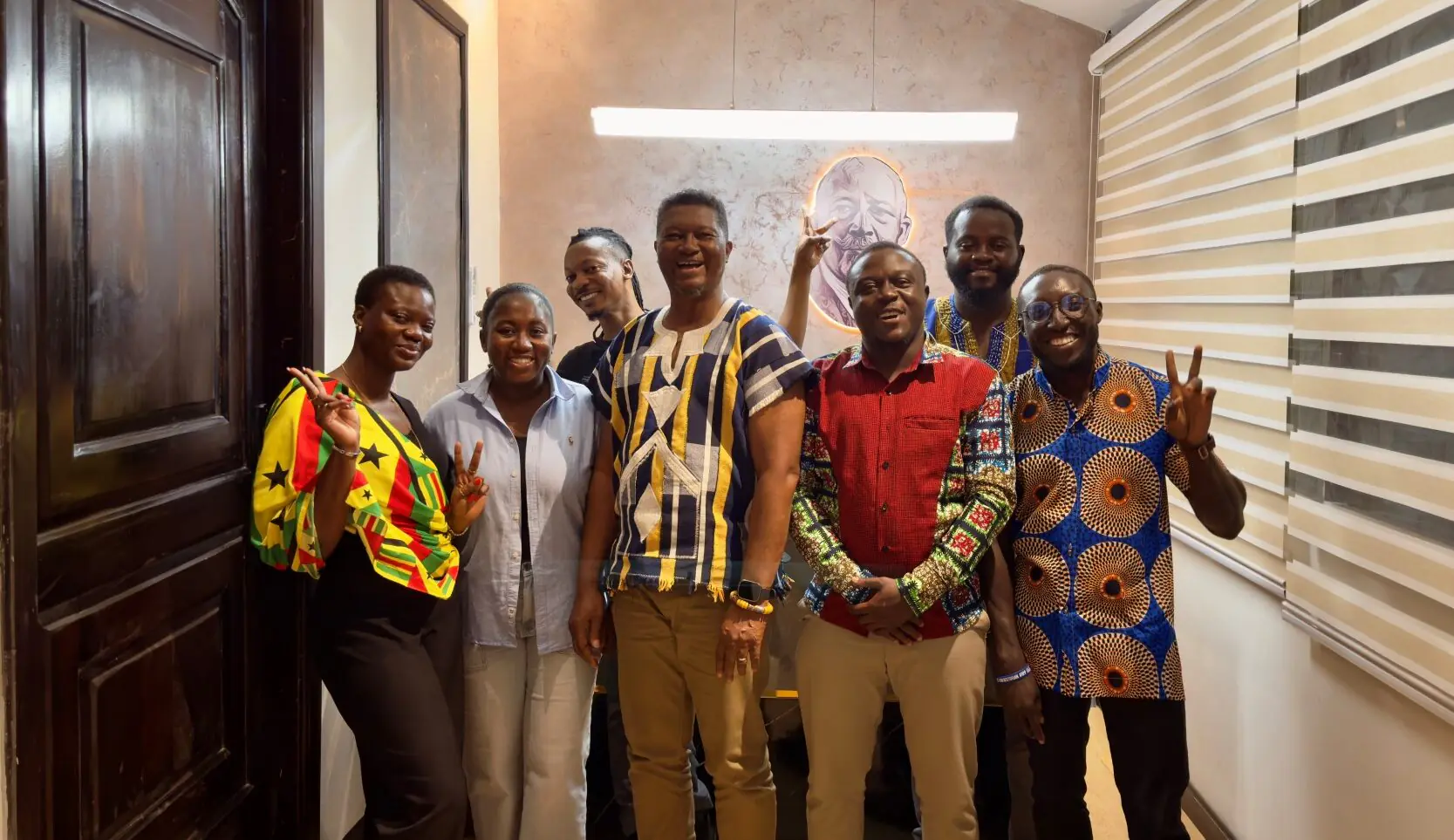
Dr. W. E. B. Du Bois believed Africa was more than a map. To him, Africa was family. He believed Africans and people of African descent shared a common history, struggle, and future. He spent much of his life calling for unity, justice, dignity, and freedom for African people everywhere. Pan-Africanism was not simply politics to him. It was survival and responsibility.
Today, on African Union Day, it is worth asking a difficult question:
Would Du Bois be proud of where African unity stands today?
The answer may not be simple.
Africa has made important progress. Many African nations now work together through the African Union. Trade, diplomacy, education, and cultural exchange continue to grow. African voices are stronger on the world stage than they were during the colonial period Du Bois fought against.
Yet many of the struggles he warned about remain.
Across the continent, conflict, political instability, economic hardship, corruption, and mistrust still divide African people. In some places, Africans continue to face hostility from fellow Africans simply because they come from another country. Tensions over migration and economic pressure have sometimes led to painful scenes of foreigners being blamed, rejected, or pushed aside.
South Africa, a country once supported by African nations during the struggle against apartheid, has in recent years faced difficult conversations around anti-immigrant violence and hostility toward fellow Africans seeking work and safety. For many Pan-Africanists, these moments raise uncomfortable questions.
Would Du Bois understand the frustrations people face? Certainly.
But would he accept Africans turning against one another?
Probably not.
Du Bois believed unity required sacrifice and moral courage. He understood that nations face pressure and limited resources, but he also believed fear and division weaken Africa more than they protect it.
He may also ask why Africa, rich in land, minerals, talent, and youthful energy, still battles poverty and dependency. He might question why borders drawn during colonial rule still carry more power than shared identity and collective progress. He may wonder why Africans sometimes seek validation abroad while undervaluing one another at home.
He would likely speak about war and instability in parts of the continent. From Sudan to the eastern Democratic Republic of Congo, conflict continues to displace families and destroy futures. He may ask why Africans still suffer violence while the dream of peace remains unfinished.
He might also raise concern about democracy and leadership. Across parts of Africa, citizens still struggle with weak institutions, contested elections, military takeovers, and leadership that sometimes places power above people. Du Bois believed freedom meant more than independence from colonial rule. It meant dignity, accountability, and governments that serve their people.
For Du Bois, African unity was never meant to be symbolic or reserved for speeches and celebrations. It was meant to be lived.
And yet, he may still find hope.
He would see young Africans building businesses across borders. He would see artists, scholars, innovators, and creatives connecting the continent in new ways. He would see conversations about reparations, heritage, and African identity growing louder. He would see people refusing to forget history and demanding a better future.
Perhaps that would remind him why he came to Ghana.
In 1961, invited by President Kwame Nkrumah, Du Bois made Ghana his home to help work on the Encyclopedia Africana project. He believed Africa could help shape a more just and united world. Here in Ghana, where he spent his final years and where he now rests, that dream still speaks to us.
African Union Day is therefore more than celebration.
It is reflection.
It is asking whether we are building the Africa Du Bois imagined. An Africa where unity is not selective, where dignity crosses borders, and where Africans stand together not only in memory of struggle, but in commitment to shared progress.
Perhaps Du Bois would leave us with a challenge:
Africa cannot rise fully if Africans remain divided from one another.